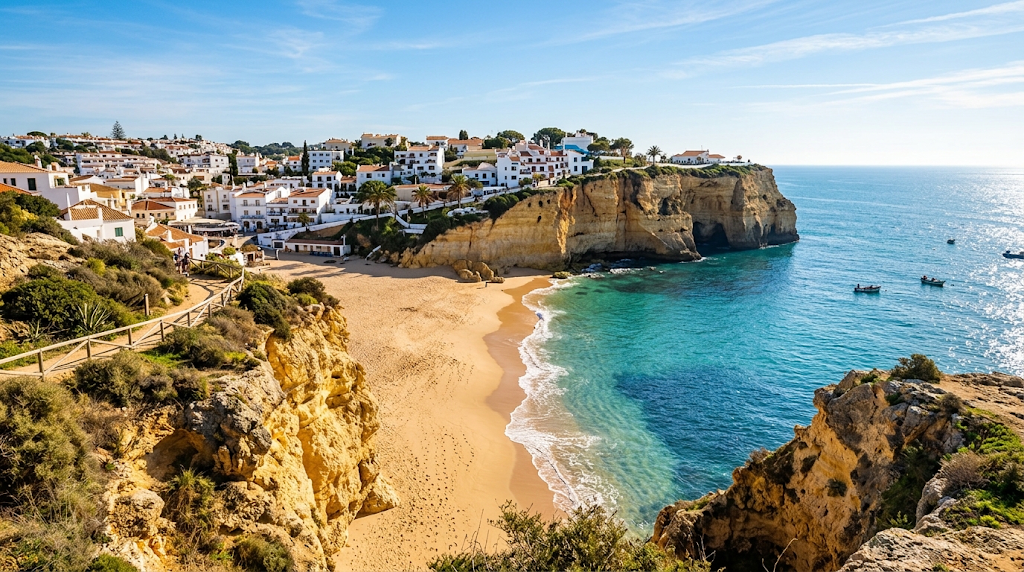
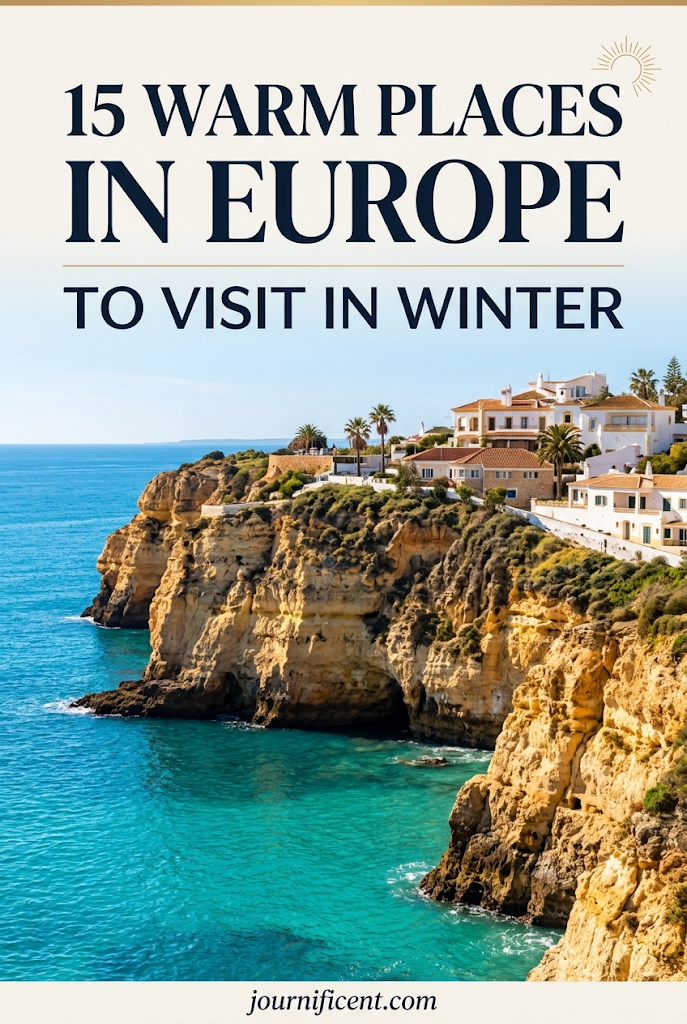
15 Warm Places in Europe to Visit in Winter
Let’s be honest, winter has its moments. Cozy evenings, warm drinks, and the excuse to wear your favorite sweaters are all lovely. But after weeks of chilly mornings and grey skies, I think many of us start dreaming about sunshine, outdoor lunches, and a little time beside the sea. The good news? You don’t necessarily have to travel to the other side of the world to find them.
Europe has some wonderful winter escapes where the weather is considerably milder, the scenery is beautiful, and life feels a little slower once the summer crowds disappear. Imagine strolling along a palm-lined promenade in southern Spain, exploring the volcanic landscapes of the Canary Islands, or enjoying a leisurely lunch at a café in Portugal. Suddenly, winter doesn’t sound quite so bad!
Of course, not every destination offers warm beach weather in December or January. Some places are perfect for sunbathing, while others are better suited to exploring historic towns, hiking coastal trails, and enjoying outdoor cafés on a sunny afternoon. Knowing the difference can help you choose a destination you’ll genuinely love.
So, whether you’re planning a romantic getaway, a family holiday, or simply a few days away from the cold, these 15 warm places in Europe to visit in winter are worth adding to your travel wish list.
Tenerife, Canary Islands, Spain
Best for winter sunshine, sandy beaches, and outdoor adventures
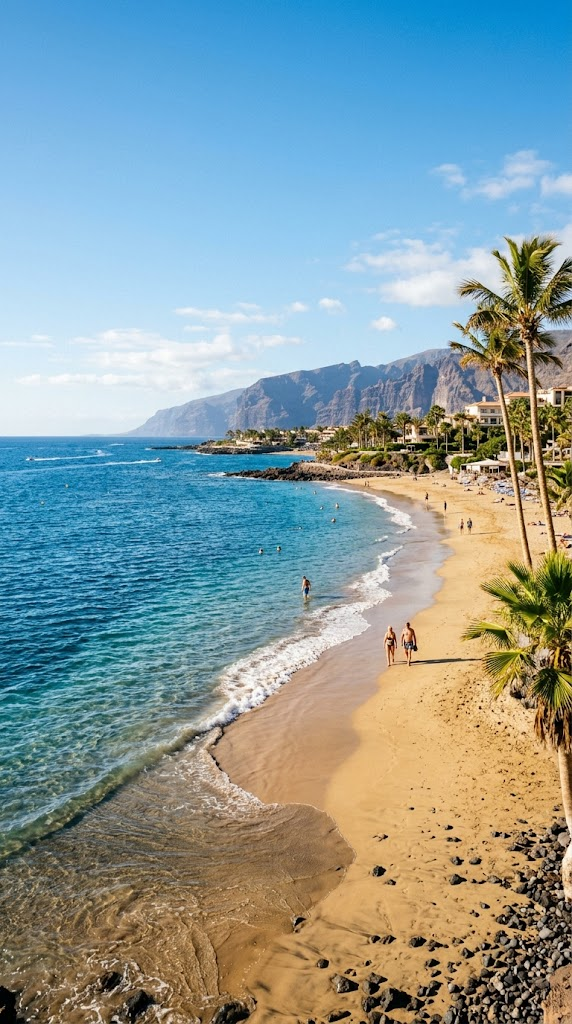
When reliable winter sunshine is high on your wish list, Tenerife is one of the first places I’d consider. Although the island belongs to Spain, it’s located in the Atlantic Ocean off the northwest coast of Africa, giving it a wonderfully mild climate throughout the year.
While much of Europe is reaching for thick coats, southern Tenerife often enjoys daytime temperatures around 20°C to 23°C (68°F to 73°F) during winter. It’s not guaranteed beach weather every day, of course, but the chances of enjoying a sunny afternoon are appealing.
The island also has a lovely mix of things to do. Spend a morning relaxing on the beach in Costa Adeje, wander along the waterfront in Los Cristianos, or settle into a little seaside restaurant for fresh seafood and a view of the ocean. There’s something wonderfully simple about enjoying lunch outdoors while friends and family back home are scraping ice off their cars!
For a change of scenery, head inland to Teide National Park. Mount Teide rises above the surrounding volcanic landscape, creating a dramatic setting for sightseeing and photography. Just remember that temperatures drop considerably at higher elevations, and snow is possible around the summit even when the coast feels pleasantly warm.
You can also book a whale- or dolphin-watching trip, explore traditional villages, or spend an afternoon visiting one of the island’s many viewpoints.
Tenerife is particularly suitable for travelers who want a winter holiday with a little bit of everything: beaches, nature, restaurants, and plenty of opportunities to get outside.
Gran Canaria, Canary Islands, Spain
Best for beach lovers, scenic drives, and laid-back resort holidays
If you love the idea of winter sunshine but want somewhere with plenty of variety, Gran Canaria is another excellent choice.
One of the island’s biggest attractions is how different its landscapes can be. The southern coast is known for its sunny resorts and golden beaches, while the interior features mountains, winding roads, green valleys, and charming villages. You can spend one day beside the sea and the next exploring the island’s quieter countryside.
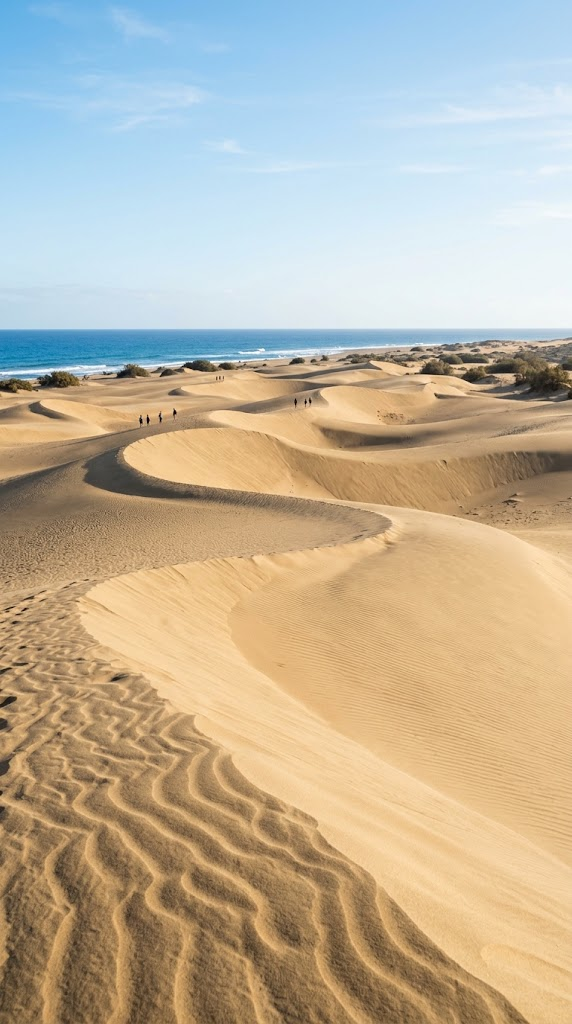
Maspalomas is a great place to start. Its enormous sand dunes create a striking landscape, and the nearby beach is ideal for long walks with the Atlantic stretching out in front of you. Playa del Inglés offers a livelier atmosphere, with restaurants, shops, and plenty of places to stop for a drink.
For something a little different, visit Puerto de Mogán. Often admired for its pretty harbor, colorful flowers, and relaxed waterfront, it’s a lovely spot for a leisurely afternoon.
Winter is also a good time to explore Gran Canaria on foot. The temperatures are generally more comfortable for walking than during the hottest summer months, although mountain areas can be cooler and cloudier than the coast.
I’d choose Gran Canaria for a holiday that combines beach time with sightseeing rather than one where you expect to spend every single day on a sun lounger.
Lanzarote, Canary Islands, Spain
Best for unusual landscapes, photography, and peaceful coastal escapes
Lanzarote is proof that a winter getaway doesn’t have to be all about palm trees and sandy beaches. Sometimes, the most memorable places are the ones that look completely different from anywhere you’ve been before.
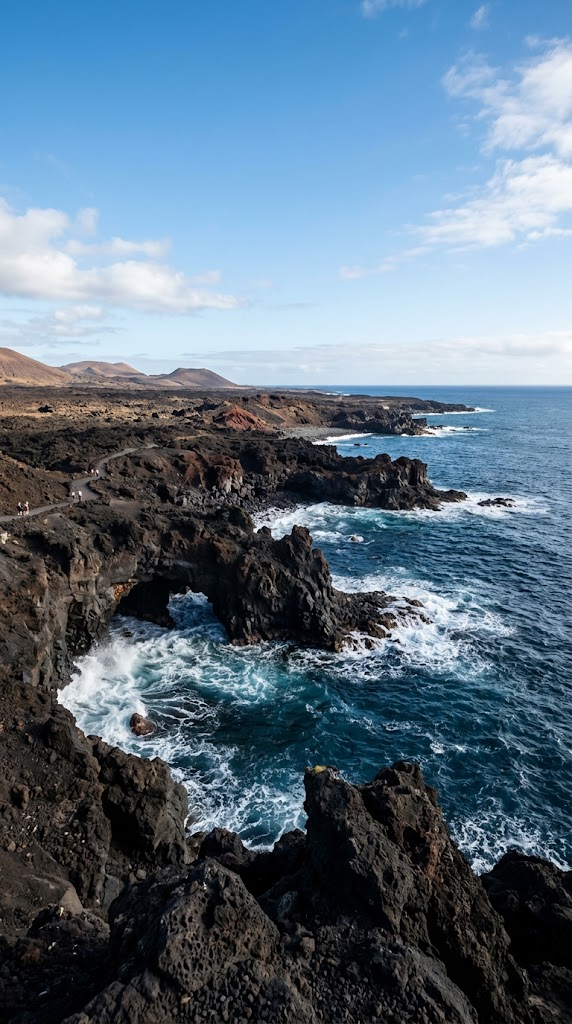
This Canary Island is famous for its volcanic scenery, black lava fields, unusual rock formations, and whitewashed villages. The landscapes can look almost otherworldly, particularly around Timanfaya National Park, where volcanic terrain stretches across the island.
Winter is a lovely time to explore because the weather is generally mild enough for sightseeing and outdoor activities. You won’t necessarily need to spend your days hiding from the heat, and the island offers plenty of opportunities to get out and appreciate the scenery.
Start around Playa Blanca if you prefer a relaxed resort atmosphere, or head to the beaches near Puerto del Carmen for more restaurants and amenities. Lanzarote can also be surprisingly beautiful for a simple coastal walk, especially when the sea is a deep shade of blue against the dark volcanic rocks.
If you’re interested in architecture, look into the work of César Manrique. The celebrated local artist helped shape Lanzarote’s distinctive approach to tourism and design, with spaces that blend naturally into the island’s surroundings.
One thing worth remembering is that Lanzarote can be windy in winter. A sunny afternoon may be perfect for walking, but sitting on an exposed beach might feel cooler than you’d expect.
For travelers who enjoy nature, photography, and a slower pace, Lanzarote is a wonderful alternative to a traditional beach holiday.
Madeira, Portugal
Best for hiking, lush scenery, and spectacular ocean views
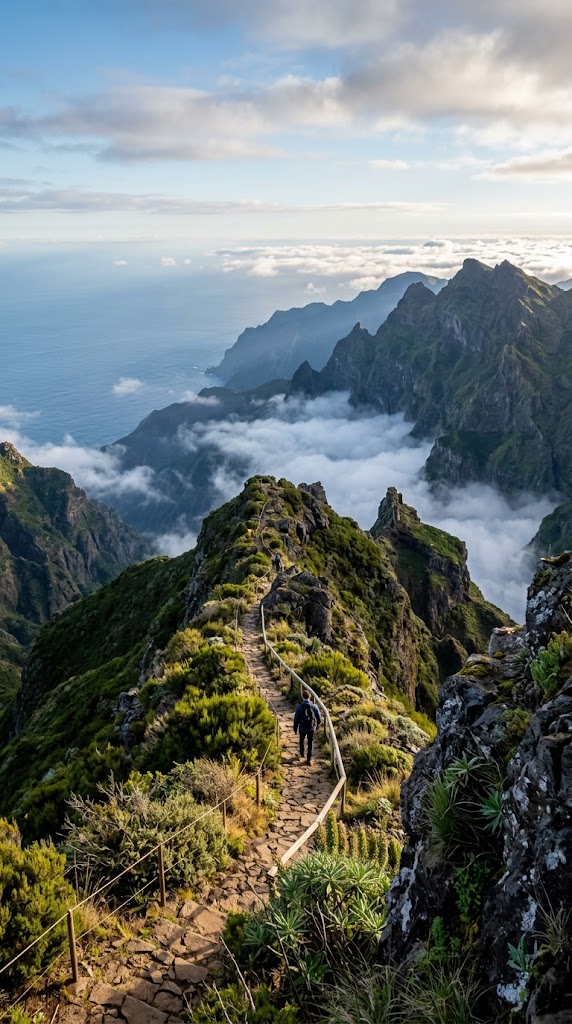
Not every winter escape needs to involve a sandy beach. If you’re someone who would rather spend the day exploring beautiful landscapes, walking through gardens, and stopping at scenic viewpoints, Madeira might be just the place.
Located in the Atlantic Ocean, this Portuguese island is known for its mild climate, dramatic mountains, lush vegetation, and beautiful coastal scenery. Winter temperatures are generally comfortable compared with much of Europe, although rain and wind are more likely here than in the sunniest parts of the Canary Islands.
Funchal, the island’s capital, is a wonderful starting point. You can wander through its historic streets, browse the local market, visit botanical gardens, and enjoy a relaxed meal by the harbor. The city has enough cafés, restaurants, and cultural attractions to keep you occupied even when the weather isn’t cooperating.
But Madeira’s natural beauty is the real reason to visit. Its famous levada walks follow historic water channels through forests and mountains, offering scenery that ranges from peaceful woodland to dramatic valleys. Along the coast, steep cliffs and ocean viewpoints make even a short drive feel like an adventure.
If you enjoy photography, bring plenty of space on your phone or camera. You’ll likely find yourself stopping repeatedly to capture another view!
Winter is an excellent time for outdoor activities, provided you check the forecast and trail conditions before heading into the mountains. Weather can change quickly at higher elevations, so a waterproof jacket and sturdy walking shoes are useful.
Madeira is especially appealing if you’d like to return home feeling refreshed rather than simply tanned.
The Algarve, Portugal
Best for golden cliffs, coastal walks, and fresh seafood
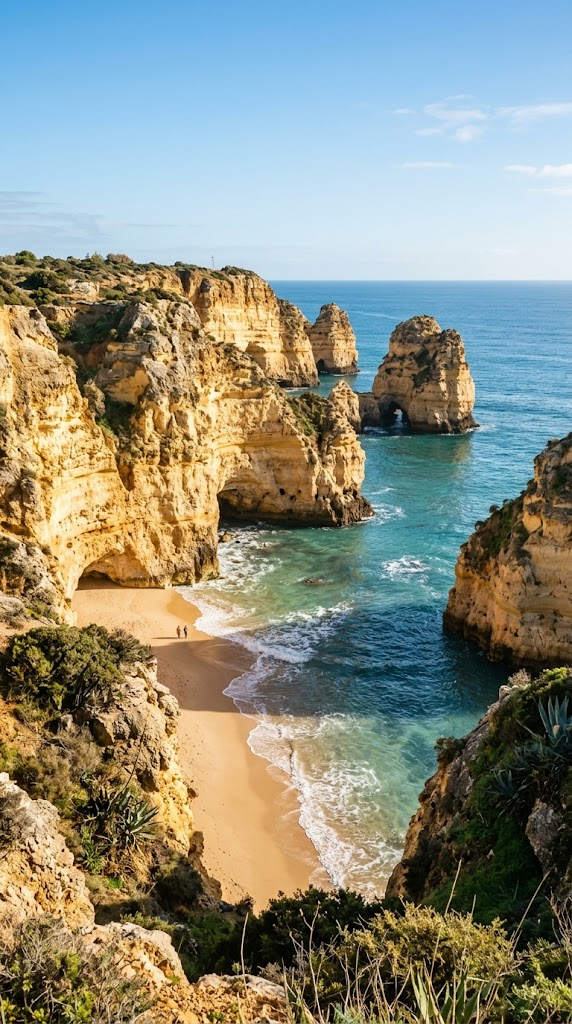
There’s something rather lovely about the Algarve in winter. Portugal’s famous southern coastline is much quieter than it is during the busy summer season, yet the beaches, dramatic cliffs, and charming coastal towns are still just as beautiful.
Instead of spending the day searching for a patch of sand without a hundred other beachgoers, you can enjoy long walks, explore picturesque villages, and stop for lunch whenever something catches your eye.
Lagos is a great base for exploring the coast. The rock formations around Ponta da Piedade are particularly impressive, with golden cliffs, sea caves, and turquoise water creating a beautiful backdrop for photographs.
Further along the coast, Albufeira offers restaurants, accommodation, and access to several attractive beaches. Tavira, meanwhile, has a more traditional atmosphere, with historic streets, pretty squares, and a relaxed pace that’s especially appealing during the quieter months.
The Algarve is also worth considering if you enjoy walking or cycling. Cooler winter temperatures can make outdoor adventures more comfortable than during the height of summer.
Food is another reason to come. Fresh fish, seafood rice, grilled dishes, and Portuguese pastries are easy to find in many towns. A leisurely lunch after a coastal walk sounds like a pretty good winter afternoon to me.
Just keep your expectations realistic. The Atlantic Ocean is chilly in winter, and some seasonal restaurants or beach businesses may close or reduce their hours.
Choose the Algarve for its scenery, mild afternoons, and slower pace rather than a guaranteed tropical beach holiday.
Málaga, Spain
Best for city breaks, tapas, and a taste of Andalusian life
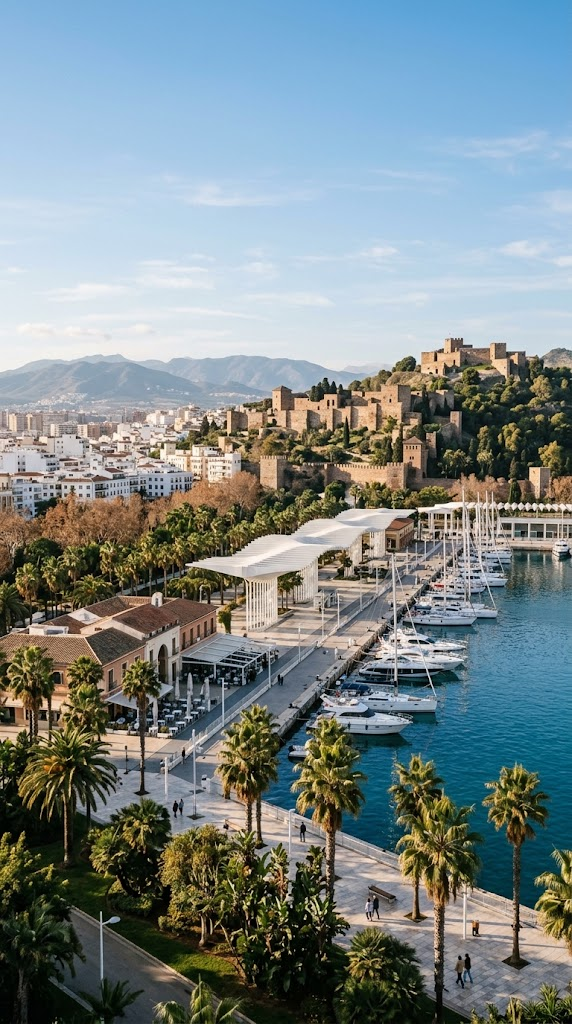
Málaga is one of those destinations that makes a winter city break feel like a real holiday. Set along Spain’s Costa del Sol, it combines a mild coastal climate with historic landmarks, excellent food, attractive shopping streets, and a lively cultural scene.
You don’t need to plan every minute to enjoy it, either. One of the nicest ways to experience Málaga is to spend the morning exploring the historic center, stop for tapas at lunchtime, and wander along the waterfront in the afternoon.
The Alcazaba is one of the city’s most impressive sights. This historic Moorish fortress offers beautiful architecture and views over Málaga. If you’re up for a little uphill walking, continue toward Gibralfaro Castle for a broader panorama of the city and coastline.
Art lovers can visit the Picasso Museum, while shoppers will enjoy exploring Calle Larios and the surrounding streets. The harbor area, Muelle Uno, is another lovely place for a walk, with restaurants and sea views adding to the relaxed atmosphere.
And then there’s the food. Málaga is known for its seafood, traditional tapas, and grilled sardines. You may not get perfect weather every day, but a good meal in a welcoming local restaurant can make a rainy afternoon feel like part of the experience.
If you have extra time, consider a day trip to a nearby Andalusian town or a scenic stretch of coastline.
Málaga is an excellent option for travelers who want mild weather without sacrificing the museums, historic attractions, and restaurant choices that make city breaks so enjoyable.
Almería, Spain
Best for quiet coastal scenery and off-the-beaten-path adventures
If you’d prefer to escape the busiest tourist areas, Almería is well worth a look. This southeastern Spanish city doesn’t always receive as much attention as Málaga or Seville, but that’s part of its appeal.
Almería has a dry climate, a fascinating history, and easy access to some of Spain’s most distinctive coastal landscapes. Winter is a particularly pleasant time to explore the area, especially if you enjoy outdoor activities more than crowded attractions.
Start with the Alcazaba of Almería, an impressive fortress overlooking the city. Its walls and viewpoints offer a wonderful introduction to the region’s history, while the nearby streets are a good place to find cafés and traditional tapas bars.
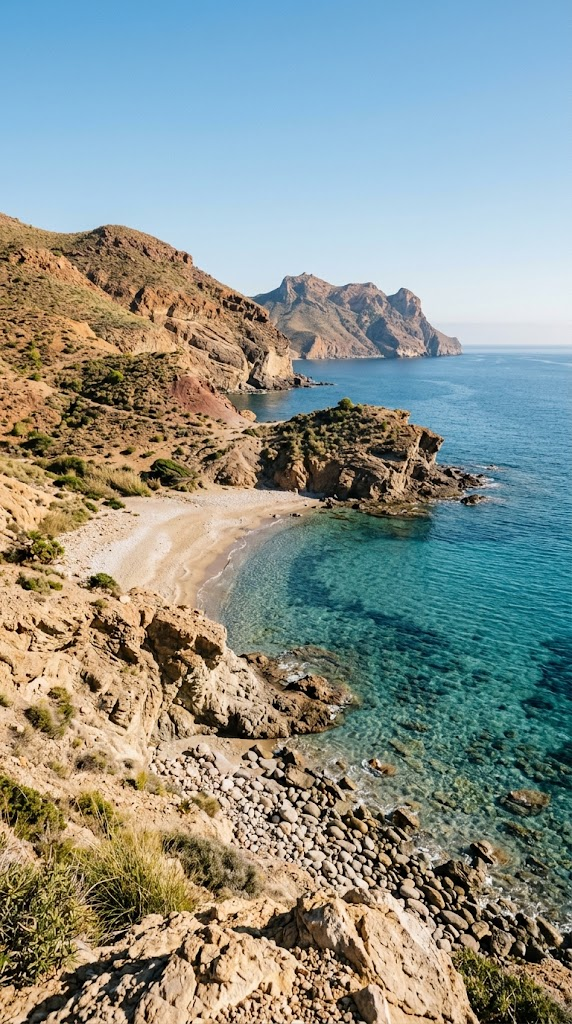
Then set aside time for Cabo de Gata-Níjar Natural Park. This protected coastal area features rugged cliffs, volcanic formations, secluded coves, and striking open landscapes. It’s the kind of place where you might plan a short walk and end up spending half the day taking photographs.
The beaches are beautiful even when swimming isn’t particularly appealing. Winter is more about enjoying the views, breathing in the sea air, and finding a quiet stretch of coastline to yourself.
A rental car can be useful for exploring the surrounding area, especially if you’d like to visit smaller villages and remote viewpoints. Some seasonal services may be limited, so plan ahead if there’s a particular restaurant or excursion you’d like to try.
Almería is a lovely choice for a winter trip that feels a little different from the usual European holiday.
Seville, Spain
Best for historic architecture, tapas, and sunny winter strolls
Seville may not have a beach, but it has something that can be just as appealing during winter: beautiful streets, welcoming cafés, spectacular architecture, and a pace of life that encourages you to slow down and enjoy the moment.
Located in Andalusia, southern Spain, Seville generally has much milder winters than northern and central Europe. Days can be pleasantly sunny, although evenings are cooler and rain is always possible.
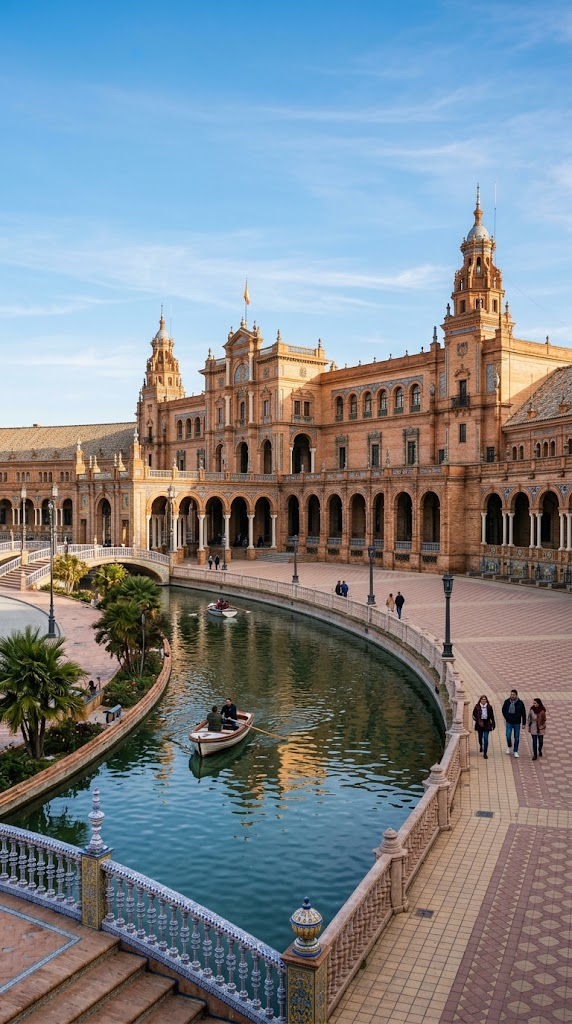
The city is particularly lovely to explore on foot. Plaza de España is an obvious highlight, with its grand buildings, colorful tiled details, and sweeping central canal. It’s a wonderful place to take photographs or simply sit for a while and admire the surroundings.
The Real Alcázar is another must-see. Its ornate rooms, decorative tiles, and beautiful gardens offer a fascinating glimpse into the city’s layered history. Seville Cathedral and the Giralda tower are equally impressive and deserve a place on your itinerary.
Between sightseeing stops, make time for tapas. Small plates are perfect for trying several local dishes, and the city’s bars offer plenty of opportunities to enjoy a relaxed meal. If flamenco interests you, consider booking a performance in a smaller venue for a more intimate experience.
I also love the idea of visiting Seville without a rigid schedule. Leave time to wander through the Santa Cruz neighborhood, browse little shops, and stop for coffee whenever you find a charming terrace.
For culture, food, and mild winter weather, Seville is a terrific choice.
Alicante and the Costa Blanca, Spain
Best for seaside promenades, charming towns, and easygoing holidays
Sometimes, all you really want from a winter holiday is a pleasant place to walk, a good restaurant nearby, and a view of the sea. Alicante and the Costa Blanca make that kind of escape wonderfully easy.
Alicante itself has a relaxed coastal atmosphere, attractive waterfront areas, and a historic center that’s enjoyable to explore without a packed sightseeing schedule.
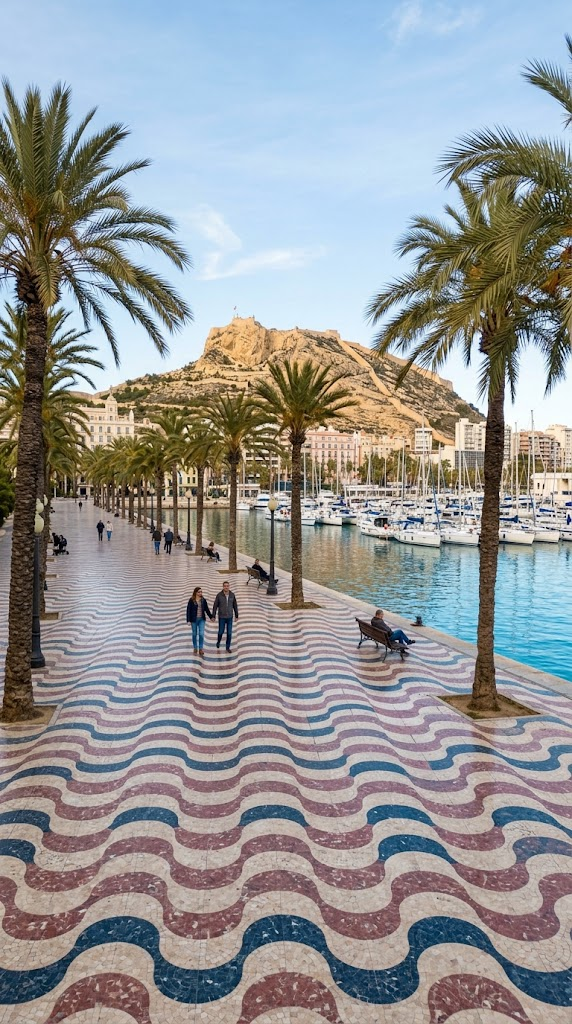
One of the city’s most recognizable spots is the Explanada de España, a palm-lined promenade decorated with a colorful mosaic pattern. It’s a lovely place for a stroll, particularly when the sun is shining.
For panoramic views, head up to Santa Bárbara Castle. The historic fortress overlooks the city, the harbor, and the surrounding coastline, making it a worthwhile stop for anyone who enjoys photography.
Beyond Alicante, the Costa Blanca has plenty of beautiful towns to explore. Altea is known for its whitewashed buildings and lovely old town, while Villajoyosa stands out for its brightly colored waterfront houses. Calpe is another appealing stop, especially if you’d like to see the striking Peñón de Ifach rock formation beside the sea.
Winter is quieter in many coastal towns, which can be a real advantage if you’re hoping to avoid summer crowds. However, certain resorts become sleepy once the peak season ends, and not every seasonal business remains open.
Alicante is a good base if you want restaurants and city conveniences, while exploring further along the coast gives you more opportunities to enjoy small-town charm.
Valencia, Spain
Best for food, cycling, urban parks, and coastal sightseeing
Valencia is a brilliant option if you want a winter escape that combines city life with outdoor relaxation. It’s large enough to offer museums, markets, restaurants, and impressive architecture, yet it also has beaches and green spaces where you can enjoy a little fresh air.
The weather is generally mild by European winter standards, although temperatures can dip and rainy days do happen. It’s a destination for light layers and comfortable walking shoes rather than an expectation of constant beach weather.
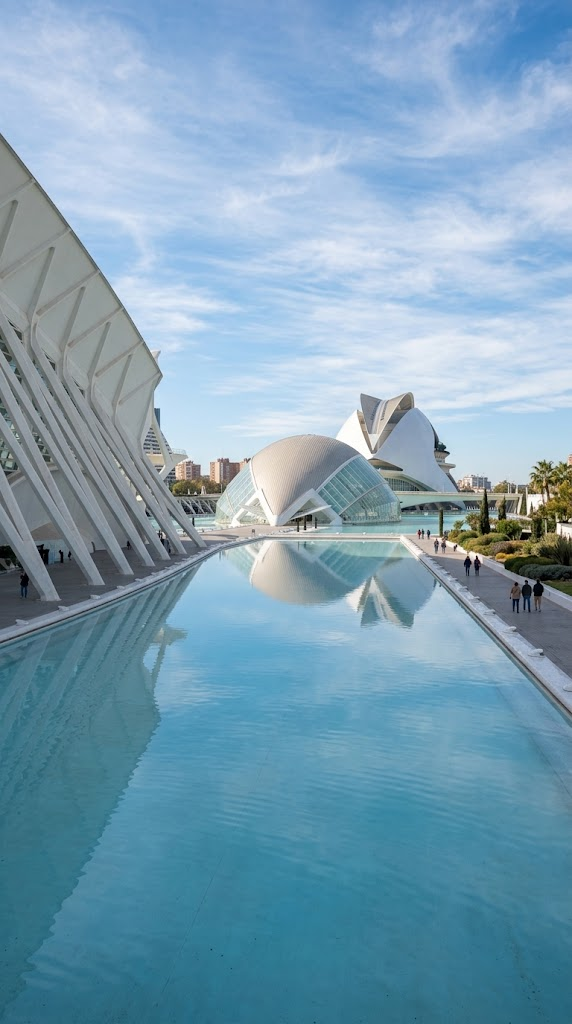
One of the city’s most famous attractions is the City of Arts and Sciences, a striking collection of contemporary buildings that look particularly impressive reflected in the water. Even if modern architecture isn’t usually your thing, the complex is worth seeing.
For something more relaxed, head to the Turia Gardens. This long green space follows the route of a former riverbed through the city and is ideal for walking or cycling. You can easily spend an hour here without feeling the need to rush off to another attraction.
Then, of course, there’s the food. Valencia is the birthplace of paella, so sampling a traditional version is a must for many visitors. The Central Market is also worth exploring, with its colorful stalls selling produce, regional specialties, and other local treats.
If the weather cooperates, spend some time at Malvarrosa Beach or take a trip to the Albufera area just outside the city.
Valencia offers a wonderful balance of sightseeing, good food, and relaxed outdoor activities, making it a strong contender for a winter city break.
Malta
Best for historic streets, Mediterranean views, and cultural escapes
Malta is a wonderful little destination for travelers who want to combine mild weather with history, architecture, and beautiful coastal scenery. It’s compact enough to explore over a few days, yet there’s plenty to keep you interested if you stay longer.
Winter isn’t Malta’s beach season, and the weather can be breezy or rainy at times. However, temperatures are generally milder than in many parts of Europe, making it a comfortable time to explore historic towns without the summer heat.
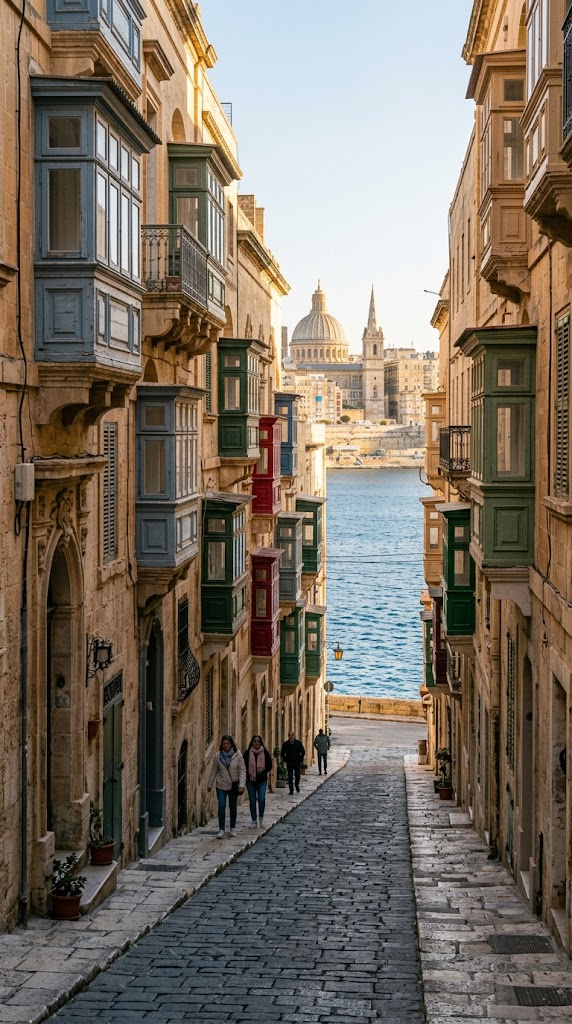
Start in Valletta, the country’s small but fascinating capital. Its honey-colored stone buildings, narrow streets, historic churches, and harbor views make it a lovely place to wander. You can spend hours exploring its lanes, stopping for coffee, and admiring the architecture.
Across the Grand Harbour, the Three Cities offer another dose of historic charm. Mdina is also worth visiting, especially if you enjoy quieter streets and fortified towns with an atmospheric feel.
Malta’s food is another reason to visit. Try pastizzi, the popular flaky pastry snack, and look for traditional Maltese dishes in local restaurants. You might also enjoy fresh seafood and Mediterranean-inspired meals that are especially satisfying after a day of sightseeing.
If the weather is sunny, head out along the coast for walks and scenic views. On a cooler afternoon, museums and historic attractions provide plenty of alternatives.
Malta may not offer tropical beach weather in January, but it has plenty of character and is particularly appealing to travelers who enjoy history and culture.
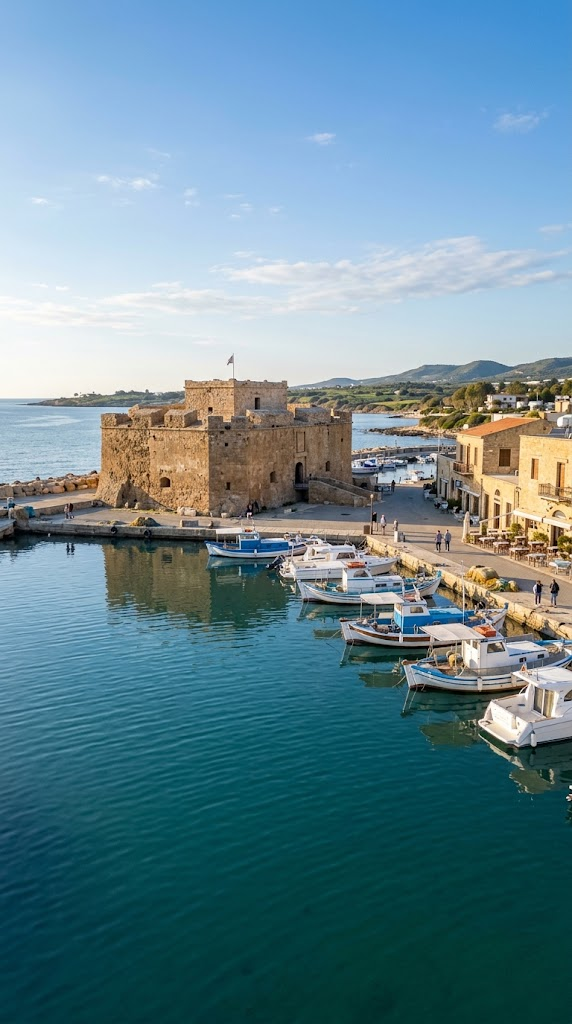
Paphos, Cyprus
Best for ancient history, seaside walks, and a relaxed Mediterranean atmosphere
If you’re looking for somewhere that combines mild winter weather with interesting historical sights, Paphos deserves a place on your list.
Located on the southwestern coast of Cyprus, Paphos offers a lovely mix of waterfront scenery, archaeological sites, traditional food, and opportunities to explore the surrounding countryside.
Winter temperatures along the coast are generally mild, but don’t expect summer conditions. Daytime temperatures can vary considerably, and showers or cooler evenings are possible. It’s best to approach Paphos as a sightseeing destination with the bonus of some sunny afternoons.
The Paphos Archaeological Park is a major attraction, particularly for visitors interested in ancient history and impressive mosaics. The harbor is another lovely place to explore, with waterfront restaurants and views of the Mediterranean.
If you’d like to venture further afield, consider exploring nearby villages or planning a trip toward the Akamas Peninsula. The landscape is beautiful, although it’s important to check local weather and road conditions before arranging longer excursions.
Food is a highlight, too. A traditional Cypriot meze gives you the chance to try several dishes in one meal, while grilled halloumi, fresh vegetables, and local specialties provide plenty of variety.
The quieter winter season can make Paphos especially appealing for couples and travelers who prefer exploring without the busiest crowds.
It’s not the most reliable choice for a full week of swimming and sunbathing, but it’s a lovely place to enjoy Mediterranean scenery at a more relaxed pace.
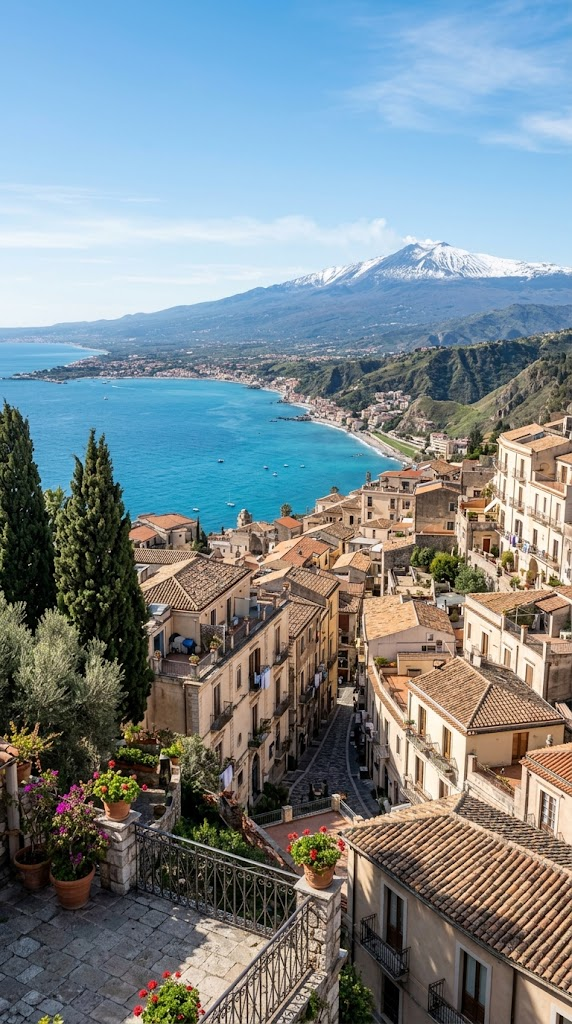
Sicily, Italy
Best for Italian food, fascinating history, and scenic coastal towns
Sicily is one of those destinations where food alone could easily fill an entire itinerary. Add ancient ruins, lively cities, charming towns, and beautiful coastal scenery, and you’ve got a winter escape with plenty to offer.
Located in the Mediterranean, Sicily generally has milder winters than much of northern Europe. However, conditions vary across the island, and winter can bring rain, cooler evenings, and snow on Mount Etna.
Palermo is a great starting point if you want to experience the island’s culture and history. Explore the historic center, visit churches and palaces, and spend time at the local markets. The city’s food scene is a highlight, with street food and traditional dishes offering an easy way to sample Sicilian flavors.
On the eastern coast, Catania sits beneath Mount Etna and has an impressive historic center of its own. You can enjoy a morning exploring the city before arranging a guided trip toward the volcano, provided weather and access conditions are suitable.
Taormina is another attractive stop, famous for its scenic setting and views toward the coast. It’s particularly photogenic, although some businesses and visitor services may operate reduced hours during the quieter winter months.
And let’s not forget dessert. Sicilian pastries, cannoli, and gelato are tempting at any time of year. Winter might not be ideal for a long beach day, but it certainly doesn’t prevent you from enjoying a leisurely Italian meal.
Sicily is best suited to travelers who want a mix of culture, history, food, and scenery rather than guaranteed warm swimming weather.
Crete, Greece
Best for traditional villages, Greek food, and quieter coastal towns
Crete is usually associated with summer holidays, beach resorts, and crystal-clear water, but visiting during winter offers a different experience.
As Greece’s largest island, Crete has a fascinating mix of historic towns, mountains, olive groves, traditional villages, and beautiful coastline. Winter is cooler and wetter than summer, but coastal areas can still enjoy mild days, making the island appealing for sightseeing and cultural exploration.
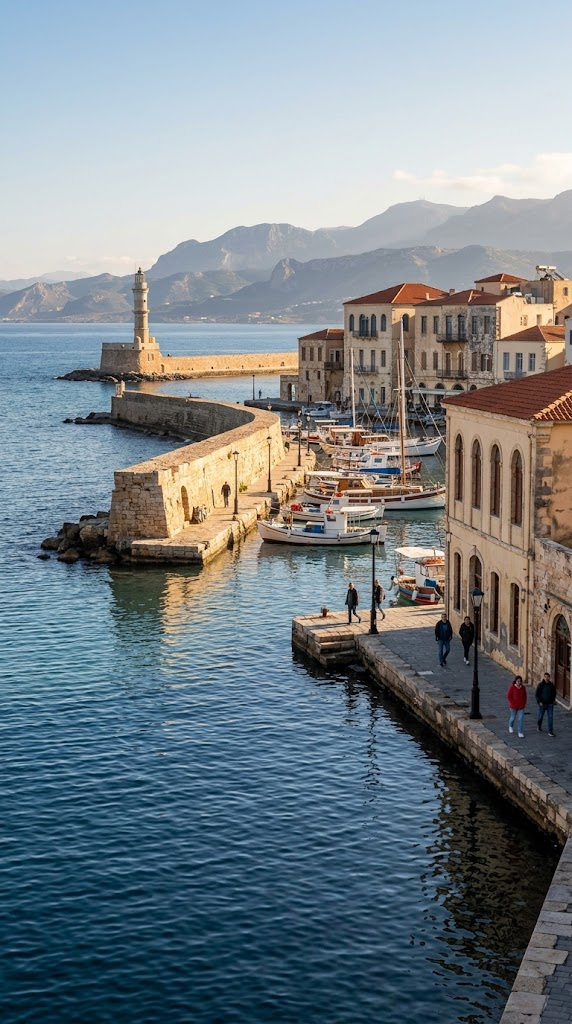
Chania is a particularly charming place to begin. Its Venetian harbor, historic buildings, narrow streets, and waterfront restaurants create a lovely atmosphere for a relaxed winter break. You can wander around the old town, stop for a Greek coffee, and enjoy the views without the pressure of fitting everything into a busy summer itinerary.
Heraklion is another good option, especially if you’re interested in history. The city’s Archaeological Museum and the nearby Palace of Knossos offer opportunities to explore the island’s ancient past.
Crete’s food scene deserves plenty of attention, too. Look for local cheeses, olive oil, fresh vegetables, traditional pies, and dishes prepared using ingredients from the surrounding countryside.
If you enjoy nature, the island’s inland villages and landscapes can be rewarding to explore, although mountain weather can be much colder than conditions along the coast.
One important detail: some resort areas and seasonal businesses become very quiet in winter, so choose your base carefully. Staying in a larger town can make it easier to find restaurants and services throughout your trip.
Crete is a lovely choice for travelers who want an authentic, slower-paced Greek experience rather than the full summer resort atmosphere.
Lisbon, Portugal
Best for historic neighborhoods, cafés, and a lively city atmosphere
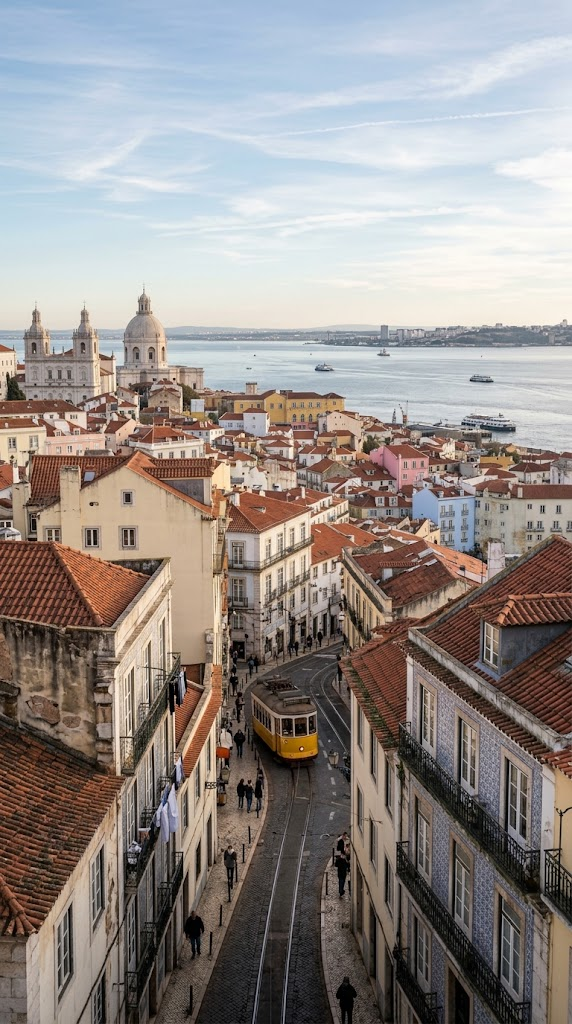
Lisbon may not be as warm as the Canary Islands during winter, but it has a charm that makes it well worth considering. Portugal’s capital combines colorful streets, beautiful viewpoints, historic trams, and an excellent food scene, creating a city break that feels inviting even when the weather is a little unpredictable.
Winter temperatures are relatively mild compared with much of northern Europe, although rain and cool days are common enough that you’ll want a light waterproof jacket.
Begin in Alfama, one of Lisbon’s oldest neighborhoods. Its narrow streets, tiled buildings, and traditional character make it a wonderful area to explore on foot. You don’t need to follow a strict route, either. Some of the best moments can come from turning down a side street and stumbling across a pretty viewpoint or a small café.
Baixa and Chiado are excellent for shopping, restaurants, and leisurely walks, while Belém is home to several important monuments. It’s also the place to try the famous pastel de nata, a creamy Portuguese custard tart that pairs beautifully with coffee.
Lisbon has plenty of indoor attractions for rainy afternoons, including museums, markets, and historic buildings. If the skies clear, you can head to one of the city’s many viewpoints to admire the rooftops and the Tagus River.
You could also plan a day trip to Sintra, known for its palaces and gardens, although the weather there can be cooler and wetter than in the city.
Lisbon is a great winter option for anyone who prefers culture, food, and neighborhood exploration over a traditional beach holiday.
Which Warm European Destination Is Right for You?
With 15 destinations to choose from, deciding where to go can be almost as difficult as choosing what to pack. The good news is that each place offers something different, so the right option depends on the kind of holiday you’re hoping to enjoy.
If warm weather is your biggest priority, I’d start with Tenerife, Gran Canaria, or Lanzarote. These Canary Islands generally offer the best chance of enjoying sunny winter days, particularly along their southern coasts.
If beautiful scenery and outdoor adventures sound more appealing, Madeira is an excellent choice. The Algarve and Almería are also wonderful for dramatic coastlines and long walks beside the sea.
For a winter city break with good food and historic attractions, Málaga and Seville are particularly appealing. Alicante and Valencia offer a nice balance of city life and coastal scenery, while Lisbon is ideal if you enjoy cafés, culture, and exploring historic neighborhoods.
Malta and Paphos are worth considering if you’re interested in ancient history and Mediterranean views. Sicily and Crete offer a more leisurely mix of local food, historic towns, and countryside experiences.
There’s no single destination that’s perfect for everyone. The trick is to decide whether you’re hoping for sunshine, sightseeing, outdoor activities, or simply a pleasant change of scenery.
When Should You Visit Europe for Winter Sunshine?
The best time to travel depends on how warm you’d like it to be and what you want to do during your holiday.
November can be a lovely month for visiting southern Europe. Days may still be pleasantly mild in places such as southern Spain, Portugal, Cyprus, and Malta. However, weather becomes more changeable as winter approaches, so don’t plan around guaranteed sunshine.
December has a special atmosphere in many European cities. Christmas lights, festive markets, and seasonal events add plenty of charm, particularly in places such as Málaga, Seville, and Lisbon. The Canary Islands and Madeira are good options if you’d like to combine winter celebrations with relatively mild weather. Keep in mind that flights and hotels around Christmas and New Year can be expensive.
January is often one of the coolest months across mainland southern Europe. If you’re mainly traveling for warmth and beach time, Tenerife and Gran Canaria are usually safer bets than Mediterranean cities. Madeira is another mild option, although rainfall can affect outdoor plans.
February can be a wonderful time for sightseeing and walking, particularly if you want to avoid the busiest tourist periods. Some destinations begin to feel more springlike, but chilly evenings and rainy days are still possible.
If your main goal is swimming and sunbathing, pay attention to sea temperatures as well as air temperatures. The Mediterranean and Atlantic can remain quite cool through winter, even on a sunny day.
My advice? Choose your destination based on the activities you care about most, and treat sunny weather as a wonderful bonus rather than an absolute guarantee.
What to Pack for a Winter Sun Holiday
Packing for a winter trip to a warmer part of Europe is a little different from preparing for a summer beach holiday. You want to be comfortable outdoors, but you’ll also need to account for cooler evenings and the occasional rainy day.
Lightweight tops, comfortable trousers, and a few layers are a good starting point. Bring a jacket that you can wear over a sweater, along with a waterproof layer if you’re heading to a destination where rain is possible.
Comfortable walking shoes are essential. Historic European towns often have cobbled streets, hills, and plenty of tempting side streets that you’ll want to explore. If you’re planning hikes in Madeira, Tenerife, or Crete, bring appropriate footwear for the terrain.
Sunglasses and sunscreen are worth packing, even in winter. You may not experience summer temperatures, but sunny afternoons can still make spending time outdoors enjoyable.
Planning to relax by the pool or visit the beach? Pack swimwear, but check whether your hotel has a heated pool. If you’re hoping to swim in the sea, remember that water temperatures can be chilly.
For trips that include mountains or higher elevations, take extra warm layers. The weather around Mount Teide, Mount Etna, and Madeira’s higher peaks can be very different from conditions at the coast.
The goal is to pack for sunshine without being caught off guard when the temperature drops after sunset.
Tips for Planning a Winter Escape in Europe
A little preparation can help you get much more out of your winter getaway.
First, check the weather expectations for the exact destination you’re booking. Southern Europe includes places with noticeably different winter climates, and even nearby locations can experience different conditions. The Canary Islands are generally a stronger choice for beach-oriented winter sunshine, while places such as Seville and Lisbon are better approached as mild-weather city breaks.
Next, check which attractions, restaurants, and transport services operate during winter. Larger cities usually offer plenty to do throughout the year, but smaller seaside resorts may become much quieter once summer ends.
It’s also worth checking flight prices and accommodation costs across several dates. Traveling outside the Christmas and New Year period may help you find better value, although popular winter-sun destinations can still be busy.
Consider how you’ll get around, too. A city break may be easiest without a car, while a coastal trip around Lanzarote, Almería, or the Algarve can be more convenient with your own transport. Check local driving conditions and rental requirements before booking.
Finally, leave a little breathing room in your itinerary. You don’t have to visit every attraction to have a wonderful holiday. If the sun comes out, enjoy a coastal walk. If it rains, settle into a café or visit a museum. Some of the nicest travel memories happen when we stop trying to squeeze everything into one day.
Final Thoughts
Winter doesn’t have to mean putting travel plans on hold until spring. Europe has plenty of beautiful destinations where the weather is milder, the crowds are often smaller, and there’s still so much to enjoy outdoors.
For the best chance of winter sunshine, the Canary Islands are hard to beat. Madeira is wonderful for nature lovers, while the Algarve and southern Spain offer beautiful coastlines and relaxed days beside the sea. If you’d rather spend your time exploring historic streets, enjoying local food, and visiting cultural attractions, Seville, Málaga, Valencia, Lisbon, Malta, and Sicily all have plenty to offer.
The most important thing is to choose a destination that suits your idea of a good holiday. You might be happiest walking along a quiet beach, hiking through green mountains, or lingering over a delicious lunch in a sunny square.
And really, that’s one of the nicest things about a winter escape. You don’t have to chase perfect weather or plan every moment. Sometimes, a few days somewhere beautiful, a little sunshine on your face, and a welcome change of scenery are more than enough.
So, where would you go first? A sunny island, a charming Mediterranean town, or a lively European city with a café waiting around every corner? Whatever your choice, there’s a good chance a little winter adventure will give you something lovely to look forward to.