17 Best Winter Destinations in Europe for a Magical Getaway
Europe in winter has a special kind of magic. Historic streets glow beneath twinkling lights, mountain villages look like they belong in a fairy tale, Christmas markets fill the air with the scent of cinnamon, and snow-covered landscapes invite us to slow down and enjoy the season.
And here’s the lovely part: winter in Europe doesn’t have to mean freezing temperatures everywhere. You can spend your holiday chasing the Northern Lights in the Arctic, sipping hot chocolate in a medieval city, skiing in the Alps, or enjoying milder weather along the Mediterranean coast.
Whether you’re dreaming of a romantic winter escape, a festive Christmas holiday, a snowy adventure, or a relaxing city break, there’s a destination waiting to make your trip memorable.
Let’s explore 17 of the best winter destinations in Europe, including what makes each place special and what you can look forward to during the colder months.
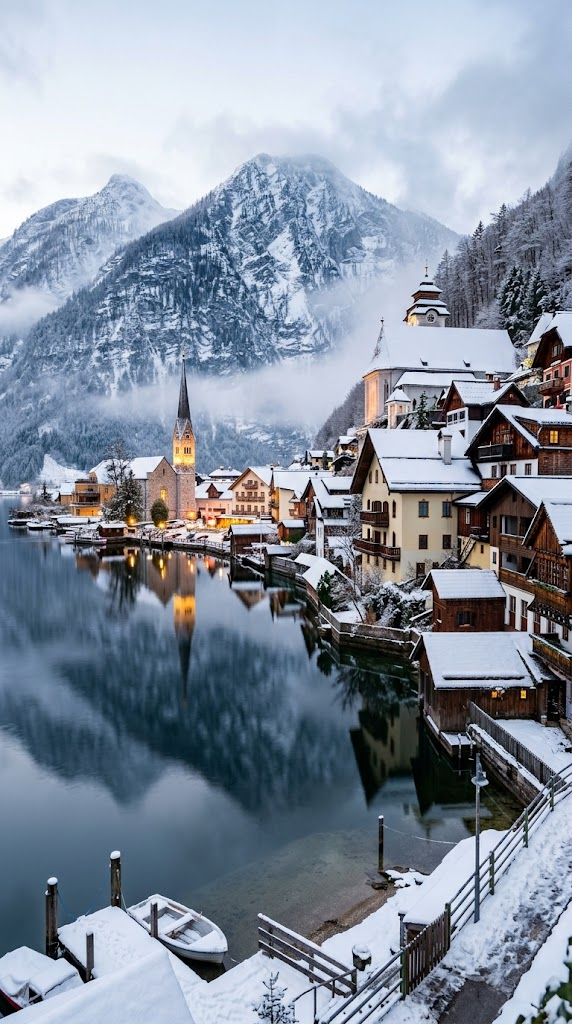
1. Hallstatt, Austria
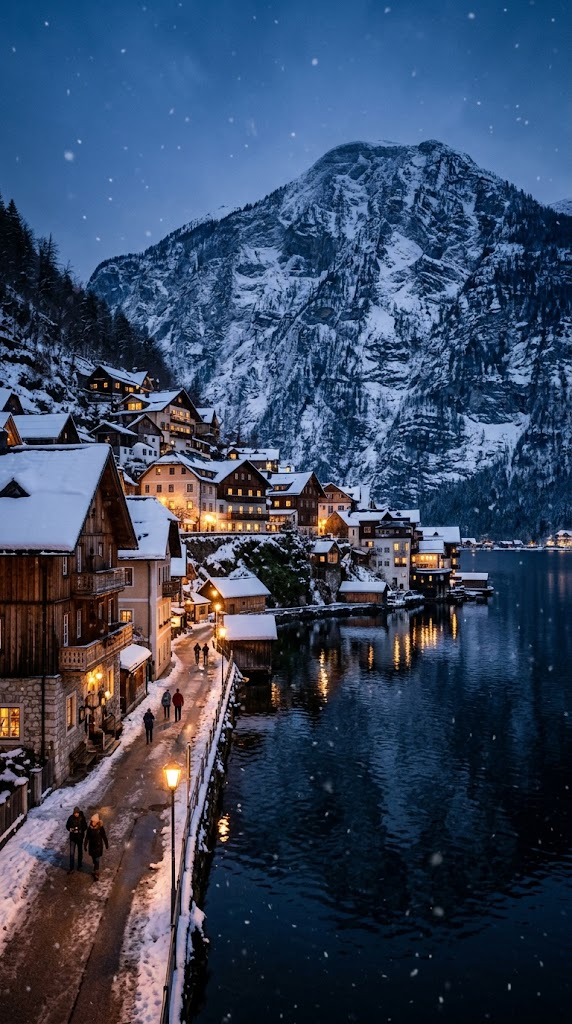
Hallstatt is one of Europe’s most enchanting winter destinations, with traditional Alpine houses, a peaceful lakeside setting, and dramatic mountains rising behind the village. When snow settles over the rooftops and surrounding forests, the entire landscape feels wonderfully storybook-like.
One of the best ways to enjoy Hallstatt is simply to wander through its narrow streets, admire the historic buildings, and take in the views across Lake Hallstatt. The village’s central square is particularly charming, while the lakeside paths offer beautiful opportunities for winter photography.
If the weather cooperates, you can enjoy spectacular views of the surrounding mountains or visit the nearby Dachstein region for additional winter activities. Warm up afterward with Austrian comfort food in a traditional restaurant.
Hallstatt is also a lovely destination for couples seeking a quiet, romantic escape. However, it’s a small village, so an overnight stay can be especially rewarding if you want to experience its peaceful atmosphere outside the busiest visiting hours.
Best for: Romantic getaways, snowy scenery, photography, and charming Alpine villages.
Winter tip: Snowfall isn’t guaranteed on every winter visit, so check local conditions before planning a trip specifically for snowy scenery.
2. Prague, Czechia
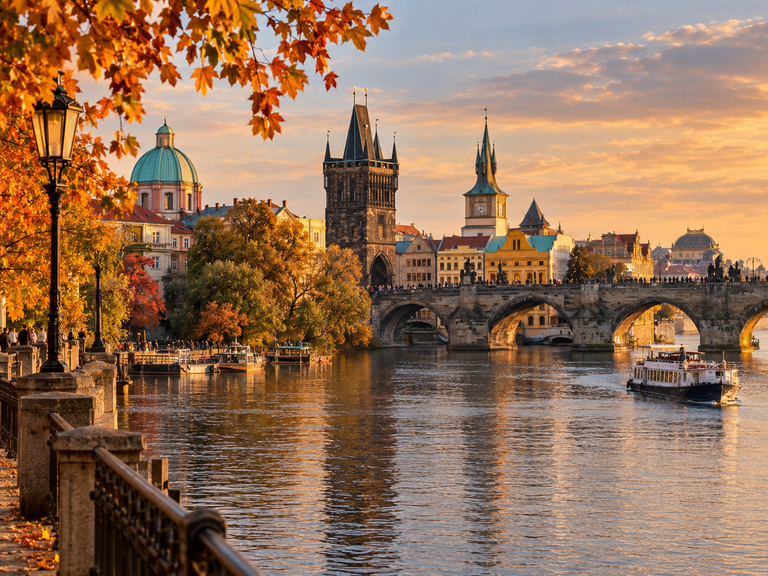
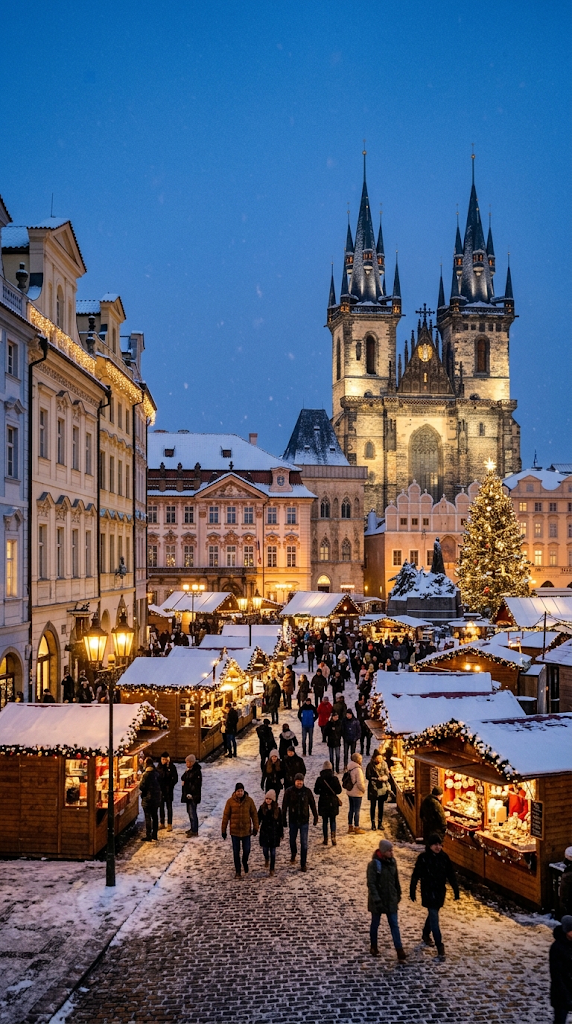
Prague looks beautiful throughout the year, but winter gives its historic architecture an extra layer of charm. Gothic towers, cobblestone lanes, and ornate buildings create a memorable backdrop for a seasonal getaway.
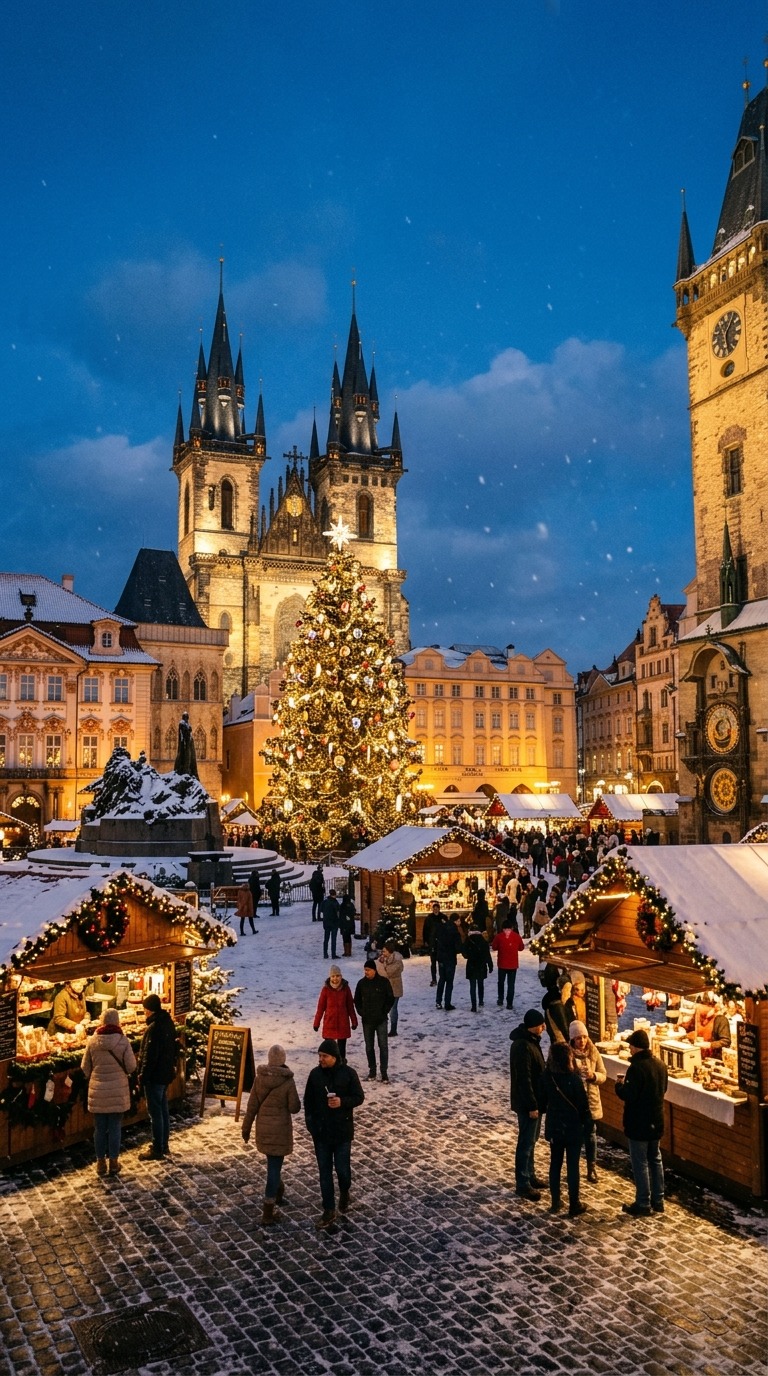
Start your visit in Old Town Square, where the colorful historic buildings and famous astronomical clock make a wonderful introduction to the city. During the Christmas season, festive stalls, decorations, and seasonal treats add to the atmosphere.
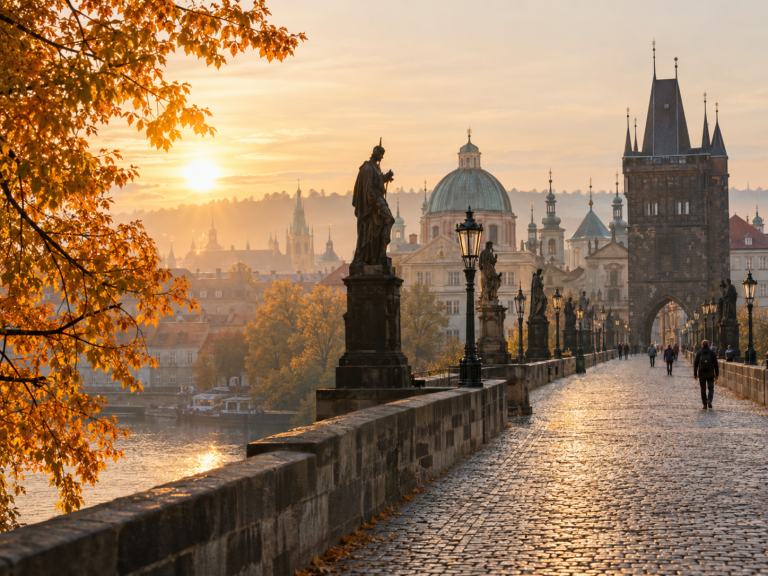
Cross the iconic Charles Bridge early in the morning for quieter views of the Vltava River and Prague Castle. If you’re lucky enough to encounter snowfall, the city’s rooftops and historic streets can look particularly magical.
When temperatures drop, duck into a traditional café for coffee and cake, explore one of the city’s museums, or enjoy a hearty Czech meal. Prague’s combination of sightseeing, architecture, and cozy indoor experiences makes it an excellent choice for a winter city break.
December is ideal for travelers interested in Christmas markets, while January and February can be appealing for those who prefer a quieter atmosphere outside the festive rush.
Best for: Christmas markets, architecture, couples, and affordable European city breaks.
Winter tip: Wear comfortable shoes with good grip. Prague’s cobblestones can become slippery in wet or icy weather.
3. Zermatt, Switzerland
If your dream winter holiday involves snowy mountains, scenic train journeys, and world-class skiing, Zermatt deserves a place near the top of your list.
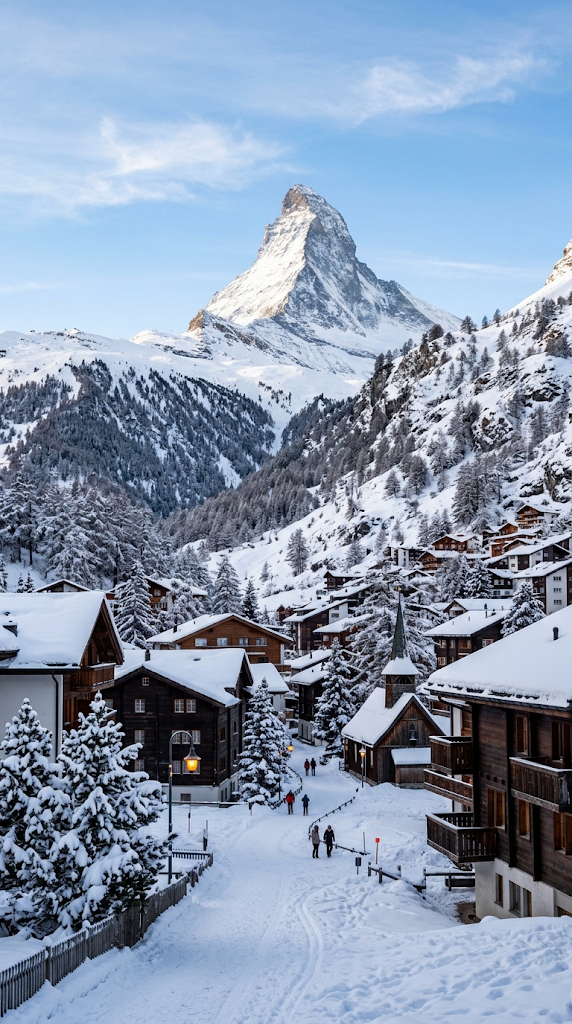
Located in the Swiss Alps, Zermatt is famous for its spectacular views of the Matterhorn, one of the world’s most recognizable mountain peaks. The village combines traditional Alpine character with stylish hotels, excellent restaurants, and access to an extensive mountain resort.
Skiing and snowboarding are major attractions, but you don’t need to be an experienced skier to enjoy the destination. Visitors can take mountain lifts for panoramic views, explore the village on foot, or enjoy the scenery from a cozy restaurant overlooking the mountains.
The car-free village adds to the peaceful atmosphere, with electric taxis and horse-drawn carriages contributing to its distinctive character. After a day outdoors, settle into a warm café or enjoy a leisurely Swiss dinner.
Zermatt is generally a premium-priced destination, especially during peak ski season. Booking accommodation and mountain activities in advance can help you plan your budget more confidently.
Best for: Skiing, luxury winter holidays, mountain scenery, and scenic train travel.
Winter tip: Check mountain lift schedules and weather forecasts before traveling uphill, as conditions can affect access to certain viewpoints.
4. Rovaniemi, Finland
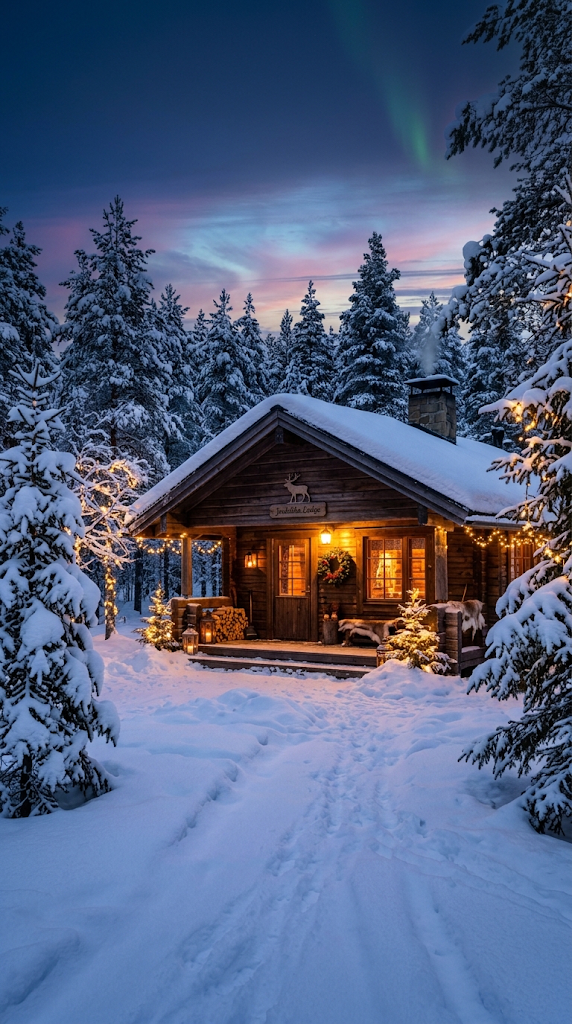
For a winter holiday that feels straight out of a Christmas story, head to Rovaniemi in Finnish Lapland. Situated on the Arctic Circle, this destination is famous for its snowy landscapes, festive attractions, and opportunities to experience Arctic winter activities.
One of the biggest highlights is Santa Claus Village, where visitors can meet Santa, send postcards from the Arctic Circle, and enjoy seasonal experiences. It’s especially popular with families, although adults can have just as much fun soaking up the festive atmosphere.
Beyond the Christmas attractions, Rovaniemi offers husky sledding, reindeer experiences, snowmobiling, and snowshoeing. Depending on weather conditions and your chosen tour, you may also have opportunities to see the Northern Lights.
Remember that the aurora is a natural phenomenon, not a scheduled performance. Several nights in the region can improve your chances, but sightings are never guaranteed.
Winter temperatures can be extremely cold, so proper thermal clothing, insulated boots, gloves, and warm layers are essential.
Best for: Christmas holidays, families, Arctic adventures, and Northern Lights trips.
Winter tip: December is especially popular for festive experiences. January and February can also be excellent choices for travelers prioritizing snowy outdoor activities.
5. Vienna, Austria
Vienna is an ideal winter destination for anyone who loves elegant architecture, classical music, beautiful cafés, and festive seasonal traditions.
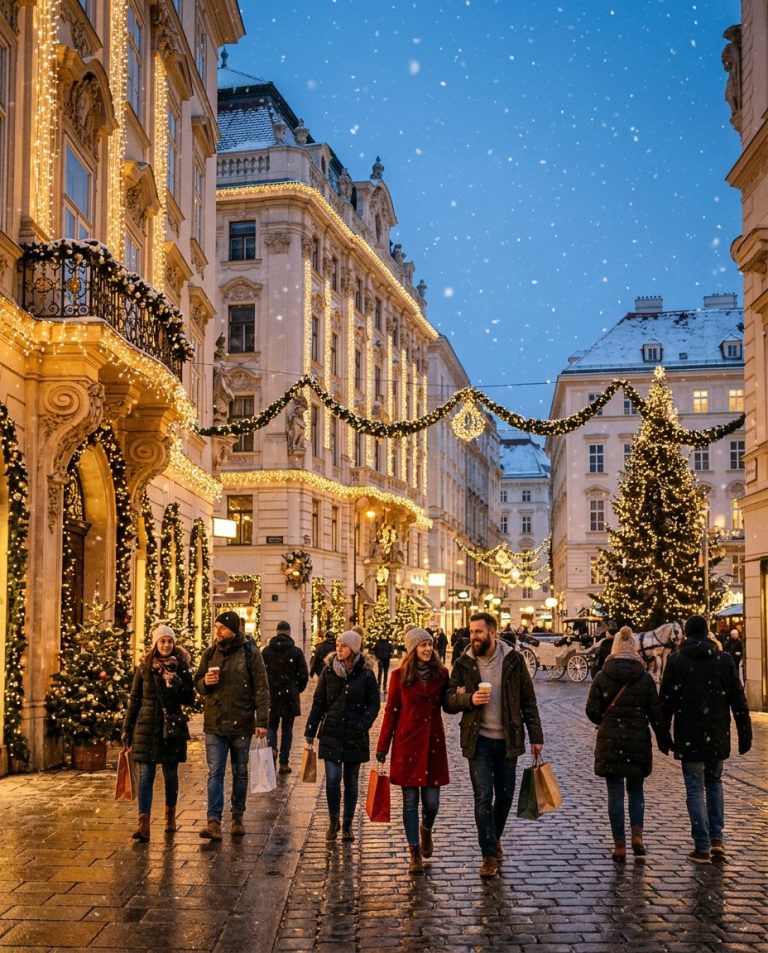
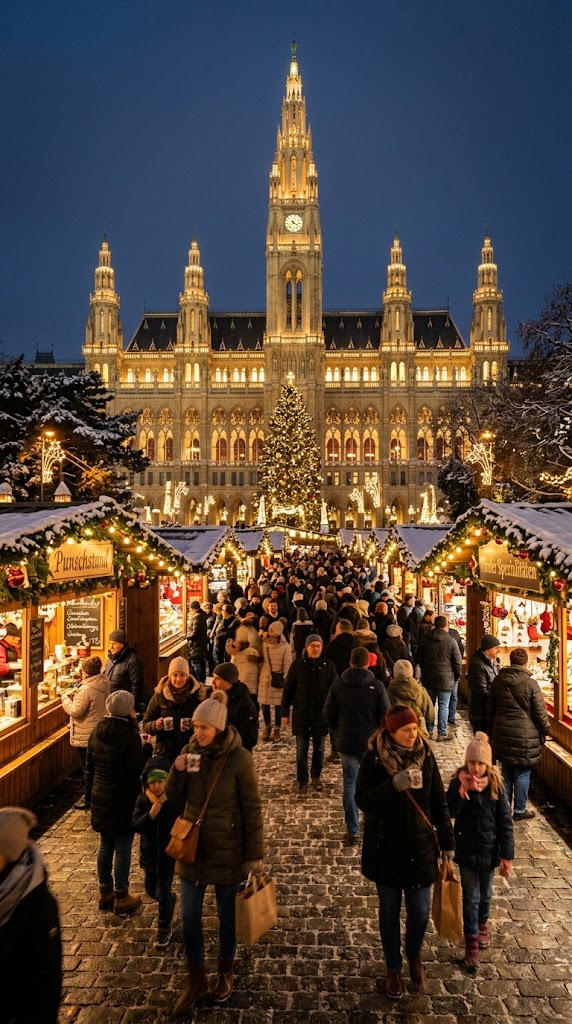
During the Christmas season, the Austrian capital becomes particularly atmospheric. Christmas markets appear in historic squares, illuminated streets create a welcoming glow, and the city’s grand buildings provide a stunning backdrop for evening walks.
The market in front of Vienna’s City Hall is one of the best-known seasonal attractions. You can browse stalls selling handcrafted gifts, sip hot punch, and sample Austrian specialties while enjoying the festive surroundings.
Vienna has plenty to offer after the Christmas markets close, too. Visit the magnificent Schönbrunn Palace, explore the city’s art museums, attend a classical concert, or spend an afternoon in a traditional Viennese coffeehouse.
Don’t leave without trying a slice of Sachertorte or another Austrian pastry. Winter sightseeing feels considerably more enjoyable when cake is involved.
Best for: Christmas markets, classical music, architecture, food, and elegant city breaks.
Winter tip: Visit popular Christmas markets on weekday afternoons or earlier in the day if you’d prefer a little more breathing room.
6. Tromsø, Norway
Tromsø is one of the most exciting destinations in Europe for travelers hoping to experience the Arctic winter and see the Northern Lights.
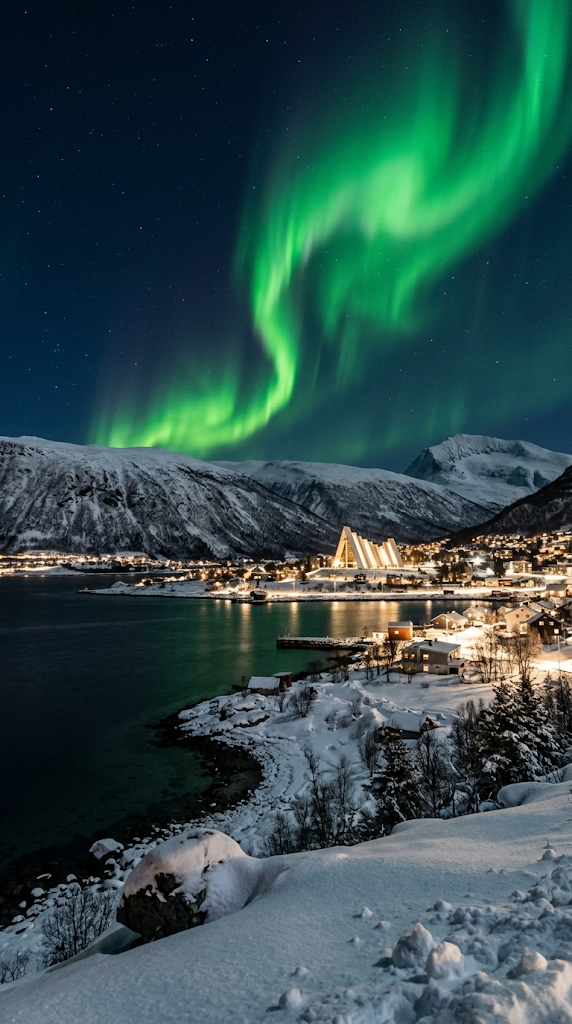
Located in northern Norway, the city is surrounded by dramatic mountains, fjords, and coastal scenery. Its northern location brings long winter nights, creating excellent opportunities for aurora viewing when the sky is clear and solar activity is favorable.
Many visitors book guided Northern Lights excursions, which can be helpful because local guides know the region and can sometimes travel away from cloudier areas. Other popular activities include dog sledding, whale-watching during the relevant season, and scenic fjord excursions.
Back in town, you can explore local museums, admire the striking Arctic Cathedral, and enjoy Norwegian seafood in a cozy restaurant.
Tromsø also has a lively cultural scene, so it offers more than simply standing outdoors waiting for colorful lights to appear. Still, this is an Arctic destination, and winter conditions require preparation.
Best for: Northern Lights, Arctic landscapes, adventure travel, and wildlife experiences.
Winter tip: Pack warm base layers, insulated outerwear, and waterproof footwear. Book aurora tours early for popular travel dates, but allow flexibility in your schedule.
7. Strasbourg, France
Strasbourg is a wonderful choice for travelers who want a classic European Christmas experience. Located in France’s Alsace region near the German border, the city combines French cuisine, Germanic architectural influences, and centuries-old traditions.
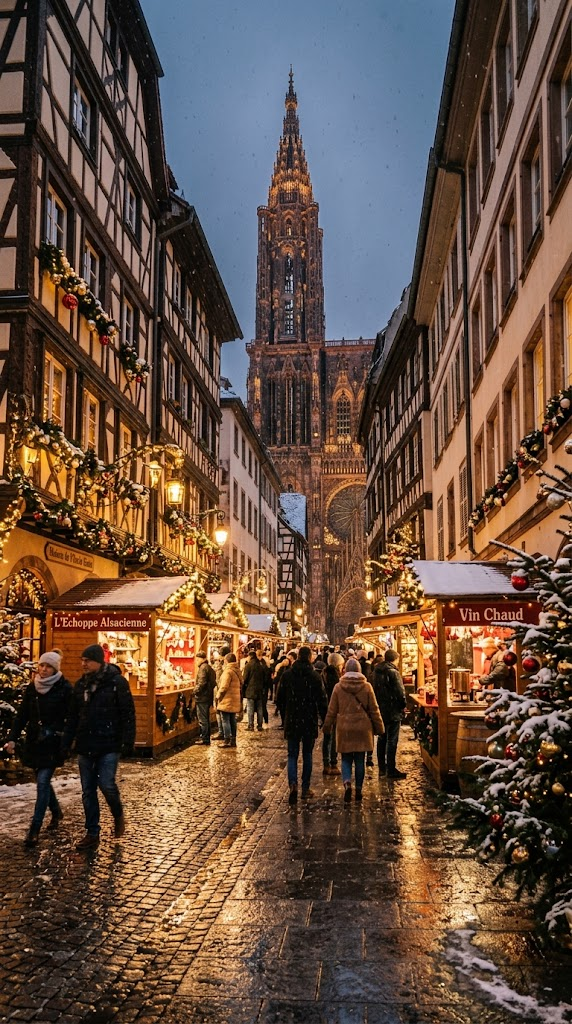
Its historic center, Grande Île, features charming streets, half-timbered houses, and the magnificent Strasbourg Cathedral. During the Christmas season, decorations and illuminated facades transform the city into a festive destination.
Strasbourg’s famous Christmas market tradition makes December particularly appealing. Visitors can browse stalls selling ornaments, crafts, and seasonal foods while enjoying the atmosphere of the historic squares.
The city’s culinary offerings are another highlight. Try Alsatian specialties such as tarte flambée, hearty regional dishes, and festive baked treats. If you have extra time, consider a day trip into the Alsace countryside to see its picturesque villages.
Strasbourg is especially suitable for couples and travelers who enjoy exploring destinations on foot, although the festive period can be busy.
Best for: Christmas markets, historic architecture, regional cuisine, and romantic winter breaks.
Winter tip: December accommodation can fill quickly, so reserve your hotel well ahead of the main Christmas market season.
8. Reykjavík, Iceland
Iceland offers a winter experience unlike almost anywhere else in Europe. From dramatic volcanic landscapes to geothermal pools and spectacular waterfalls, it is a destination for travelers who enjoy nature and adventure.
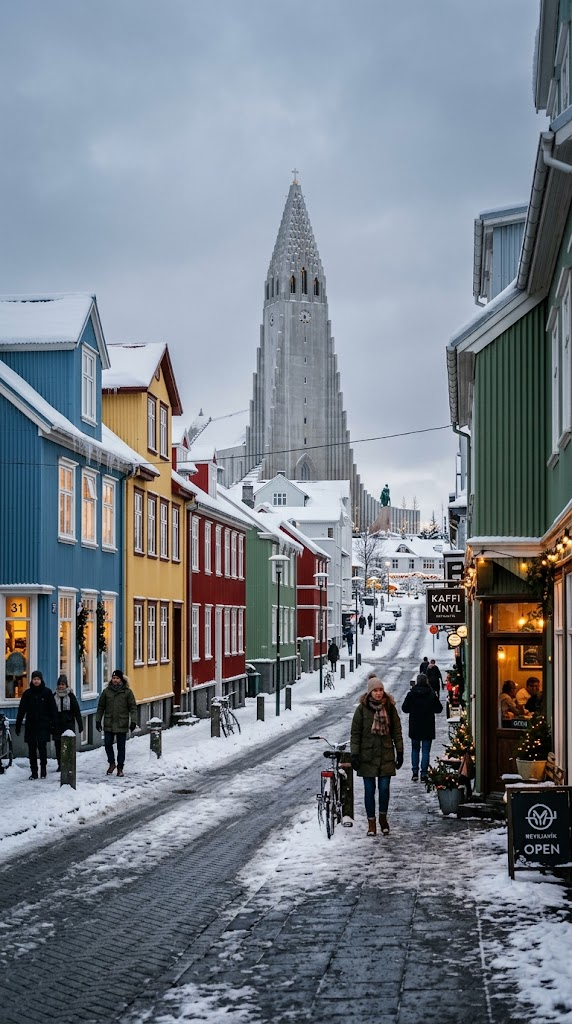
Reykjavík makes a convenient base for exploring the country’s winter attractions. Spend time wandering its colorful streets, visiting Hallgrímskirkja church, browsing local shops, and enjoying Icelandic food in the city’s cafés and restaurants.
One of the most popular experiences is visiting a geothermal lagoon, where warm mineral-rich water provides a relaxing contrast to the chilly air. The Blue Lagoon is well known, while other geothermal bathing options offer different settings and experiences.
Travelers with more time can explore the Golden Circle, which includes major natural attractions such as Þingvellir National Park, the Geysir geothermal area, and Gullfoss waterfall. Winter weather can make road conditions challenging, however, so guided excursions may be preferable for some visitors.
Northern Lights tours are another major draw, although sightings depend on darkness, cloud cover, and aurora activity.
Best for: Natural wonders, geothermal bathing, Northern Lights, and adventurous road trips.
Winter tip: Daylight is limited in midwinter. Plan outdoor excursions carefully, check road conditions, and leave room for weather-related changes.
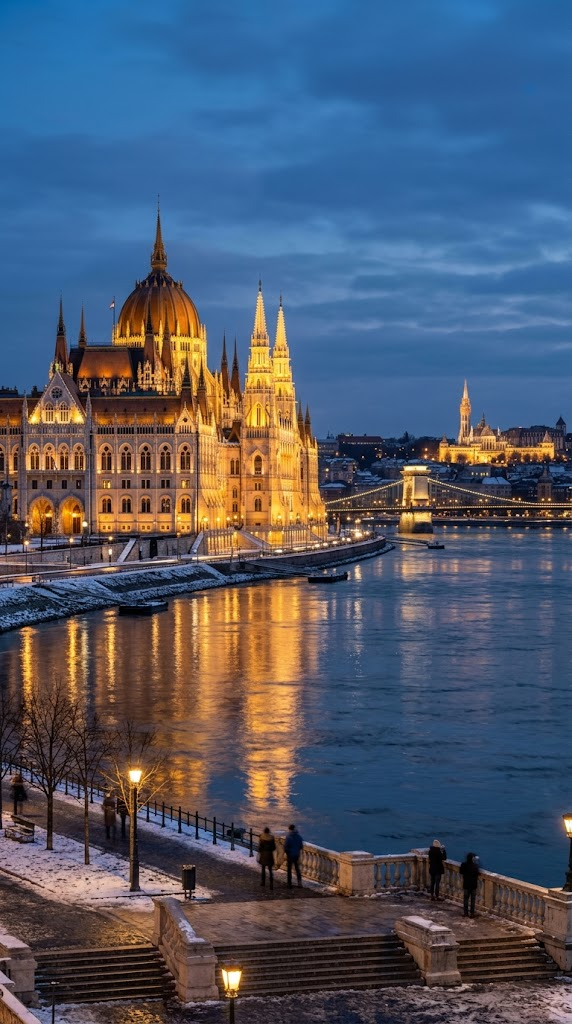
9. Budapest, Hungary
Budapest is an excellent winter destination for travelers who enjoy historic architecture, lively food scenes, and relaxing thermal baths.
The Hungarian capital stretches across both sides of the Danube River, with Buda’s hills and historic landmarks contrasting beautifully with the grand buildings of Pest. In winter, the riverside scenery and illuminated bridges make evening walks especially memorable.
Visit Buda Castle for panoramic views, admire the Hungarian Parliament Building, and explore the city’s historic streets. During the festive season, Christmas markets bring seasonal food, decorations, and handcrafted gifts to central squares.
One of Budapest’s greatest winter pleasures is its thermal bathing culture. The Széchenyi Thermal Bath is particularly famous for its outdoor pools, where warm water creates a striking contrast with the cold air.
Food lovers can sample Hungarian goulash, chimney cake, and other comforting local specialties. The city also offers a broad range of accommodation, making it possible to plan anything from a budget-conscious break to a more luxurious stay.
Best for: Thermal baths, Christmas markets, architecture, and value-conscious travelers.
Winter tip: Bring swimwear and sandals if you plan to visit thermal baths, and check booking and entry requirements before arriving.
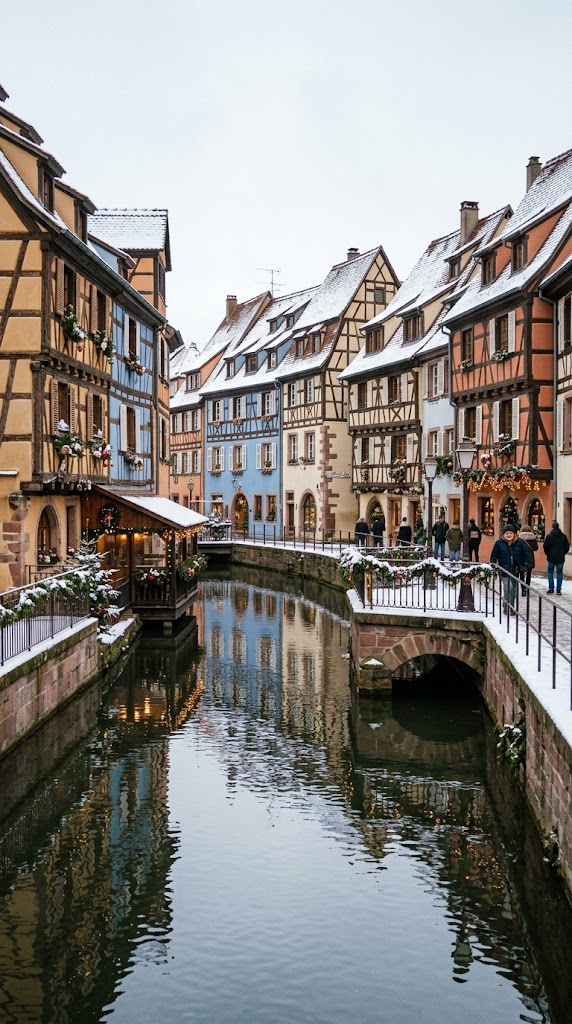
10. Colmar, France
Colmar looks as though it was designed for a winter postcard. Colorful half-timbered houses, flower-lined canals, and cobbled streets give this Alsatian town a distinctive charm that becomes even more inviting during the festive season.
The historic center is easy to explore on foot. Wander through the old town, admire its traditional architecture, and visit Little Venice, a picturesque area where buildings line the canals.
During December, Colmar’s Christmas markets bring stalls, decorations, seasonal treats, and handmade gifts to several parts of the town. Each market has its own atmosphere, making it enjoyable to stroll between them at a leisurely pace.
Colmar is also a good base for exploring the surrounding Alsace wine route and nearby villages. If you’re planning a longer winter trip, you could combine Colmar with Strasbourg for two different takes on the region’s festive traditions.
The town is relatively compact, so it suits travelers who prefer relaxed sightseeing rather than packing every hour with activities.
Best for: Romantic escapes, Christmas markets, photography, and picturesque old towns.
Winter tip: Visit early in the day for a quieter walk through the historic center, then return after dark to enjoy the illuminated streets.
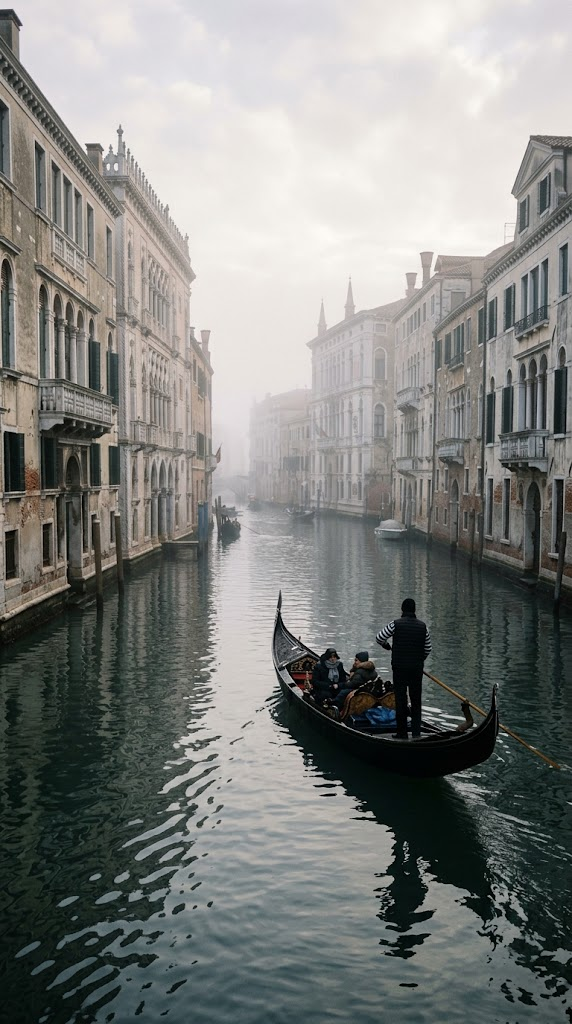
11. Venice, Italy
Venice is a wonderful winter destination for travelers who want romantic scenery, historic architecture, and a different perspective on one of Europe’s most famous cities.
Without the intense heat of summer, winter can be a pleasant time to explore the city’s narrow lanes, ornate palaces, and quieter corners. The atmosphere changes throughout the season, and mist occasionally drifting across the canals can create beautifully atmospheric views.
Visit St. Mark’s Square, admire St. Mark’s Basilica, and explore the Doge’s Palace. Take a vaporetto along the Grand Canal to appreciate the city’s architecture from the water, then spend time wandering beyond the busiest tourist routes.
Venice is also a destination for food lovers. Warm up with traditional Venetian dishes, fresh seafood, and a leisurely meal in a neighborhood restaurant.
Winter does bring some practical considerations. Flooding can occur during periods of high water, and damp weather can make the city feel colder than expected. Carnival season, when it falls during your visit, adds elaborate costumes and special events to the experience.
Best for: Romantic trips, architecture, art, photography, and cultural sightseeing.
Winter tip: Pack waterproof shoes and check local high-water information, particularly if traveling during late autumn or early winter.
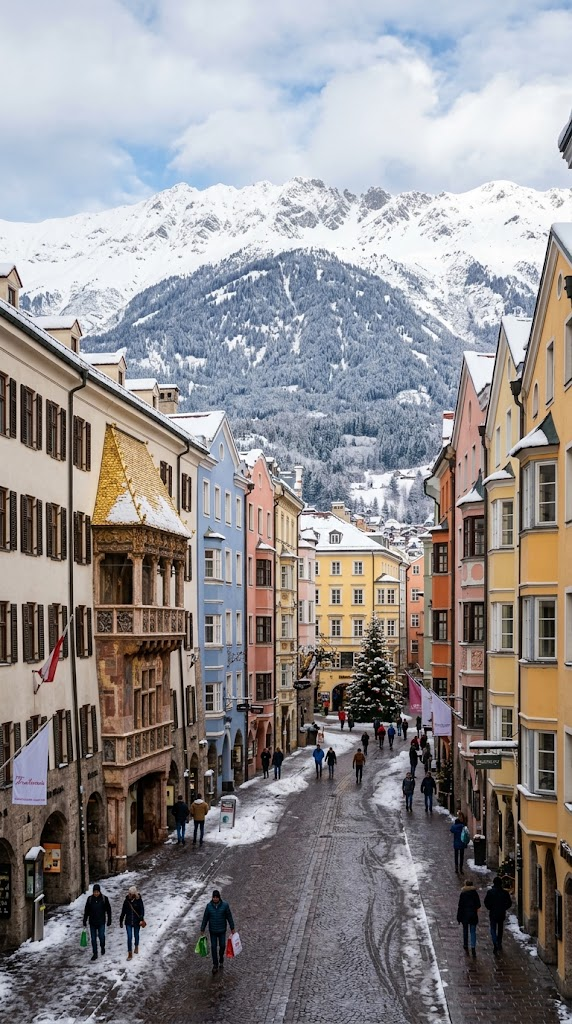
12. Innsbruck, Austria
Innsbruck combines the atmosphere of a historic Austrian city with immediate access to the Alps. It’s an excellent option for travelers who want mountain scenery without giving up museums, restaurants, and urban comforts.
The colorful buildings of the Old Town create a beautiful setting for winter walks, while the famous Golden Roof is one of the city’s most recognizable landmarks. Cafés and traditional restaurants provide welcoming places to warm up between sightseeing stops.
For mountain views, take the Nordkette cable car from the city toward the surrounding Alpine landscape. Depending on conditions and your chosen activities, you can enjoy scenic viewpoints, winter walking, or skiing in the wider region.
Innsbruck also has a lively festive atmosphere during the Christmas season, with seasonal markets and illuminated streets adding to its appeal.
Its convenient combination of city attractions and outdoor activities makes it particularly attractive for travelers who want variety during a short winter holiday.
Best for: Skiing, Alpine views, Christmas markets, and active city breaks.
Winter tip: Mountain weather can change quickly, so check lift operations and conditions before heading to higher elevations.
13. Edinburgh, Scotland
Edinburgh brings a dramatic atmosphere to winter travel, with medieval streets, historic landmarks, cozy pubs, and a striking castle overlooking the city.
The Scottish capital is enjoyable throughout the colder months, but the festive season is especially lively. Seasonal attractions, Christmas markets, and illuminated streets create plenty of reasons to explore after dark.
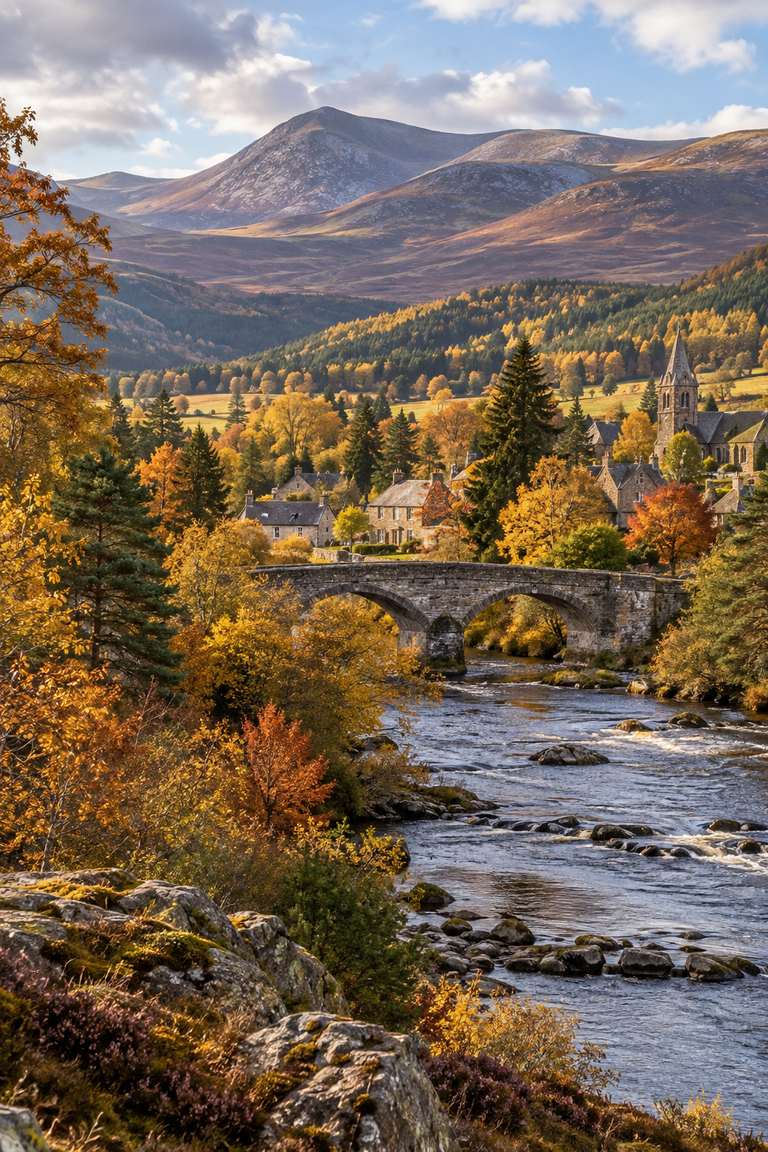
Start with the Royal Mile, which connects Edinburgh Castle with the Palace of Holyroodhouse. Visit the National Museum of Scotland, browse independent shops, or warm up in a traditional pub after walking through the Old Town.
If you enjoy panoramic views, climb Calton Hill when conditions are safe and the weather allows. The city also hosts major Hogmanay celebrations around New Year’s Eve, making it an appealing destination for travelers who want to welcome the new year in a lively setting.
Winter weather can be windy and damp, so warm layers and waterproof clothing are more useful than relying on a heavy coat alone.
Best for: Historic sightseeing, festive celebrations, cozy pubs, and New Year’s Eve trips.
Winter tip: Reserve accommodation well ahead if you’re visiting around Christmas or Hogmanay, when demand can be particularly high.

14. Bruges, Belgium
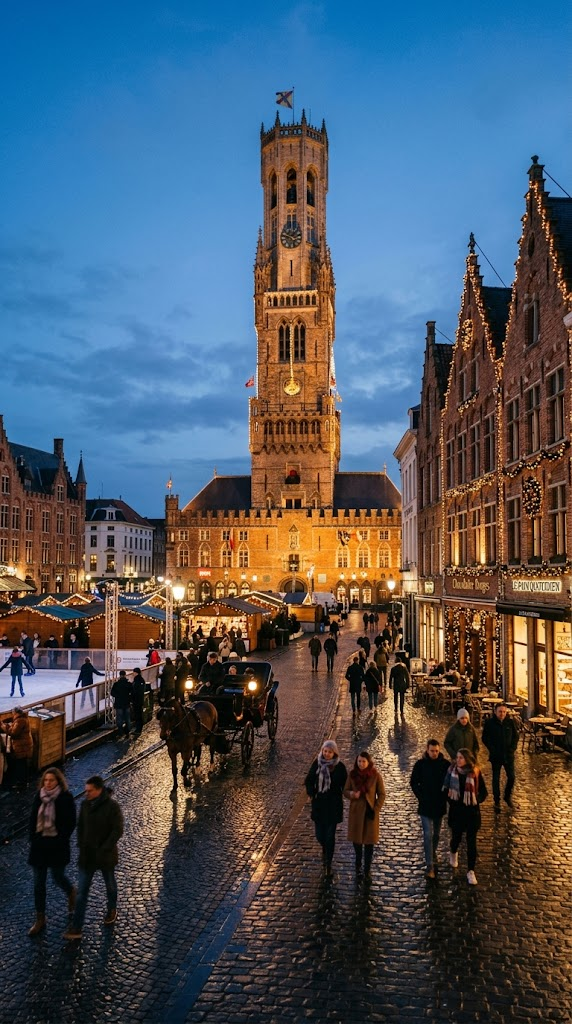
Bruges is a beautiful choice for a slower winter getaway. Its medieval buildings, picturesque canals, cobbled streets, and historic squares create an atmosphere that feels especially inviting when the weather turns cold.
Begin in Markt Square, where the Belfry rises above the surrounding historic buildings. Wander along the canals, admire the architecture, and visit the Basilica of the Holy Blood or one of the city’s excellent museums.
During the Christmas season, festive decorations and seasonal markets add another layer of charm. Visitors can browse gift stalls, enjoy warming drinks, and sample Belgian specialties.
And yes, chocolate deserves a place on the itinerary. Bruges has plenty of chocolatiers, and stopping for a treat is practically a sightseeing activity in its own right.
The city is compact enough for a relaxed weekend, and its historic center is particularly rewarding for photographers and couples. If you’re planning a longer trip, Bruges can also be combined with Brussels or Ghent.
Best for: Romantic weekends, medieval architecture, chocolate, and Christmas markets.
Winter tip: Bring shoes suitable for cobblestones and wet weather, and consider staying overnight to enjoy the city once day-trip crowds have left.
15. The Dolomites, Italy
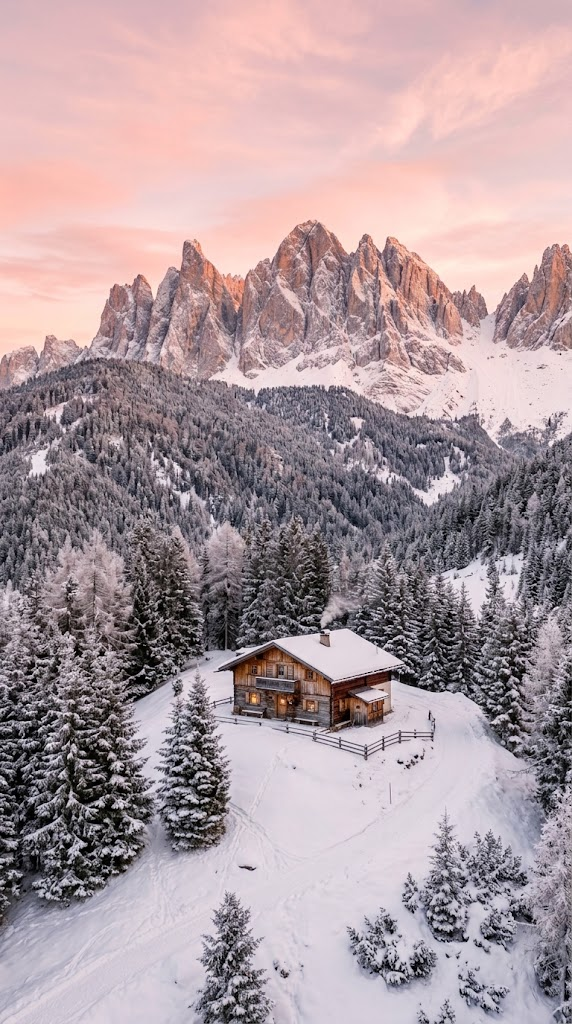
For travelers who dream of snow-covered peaks, mountain lodges, and spectacular winter sports, the Dolomites offer some of Europe’s most impressive scenery.
Located in northeastern Italy, this mountain region is known for its dramatic rock formations, Alpine villages, and extensive ski areas. Winter transforms the landscape into a destination for skiing, snowboarding, snowshoeing, and scenic mountain excursions.
Cortina d’Ampezzo is one of the best-known bases, combining beautiful mountain surroundings with stylish accommodation and a lively resort atmosphere. Other villages across the Dolomites offer their own character, from traditional Alpine settings to convenient access to extensive ski networks.
Even if skiing isn’t your thing, you can enjoy mountain restaurants, panoramic viewpoints, winter walks on suitable routes, and leisurely evenings sampling regional cuisine.
Snow conditions vary by elevation, location, and time of winter, so it’s worth checking resort reports before booking if skiing is your main priority.
Best for: Skiing, snowboarding, mountain scenery, and outdoor adventures.
Winter tip: Choose your base according to your plans. Some villages are better for ski access, while others are more suited to scenic stays and relaxed mountain holidays.
16. Lisbon, Portugal
If you’d rather exchange heavy snow for milder weather, Lisbon is one of Europe’s most appealing winter city breaks.
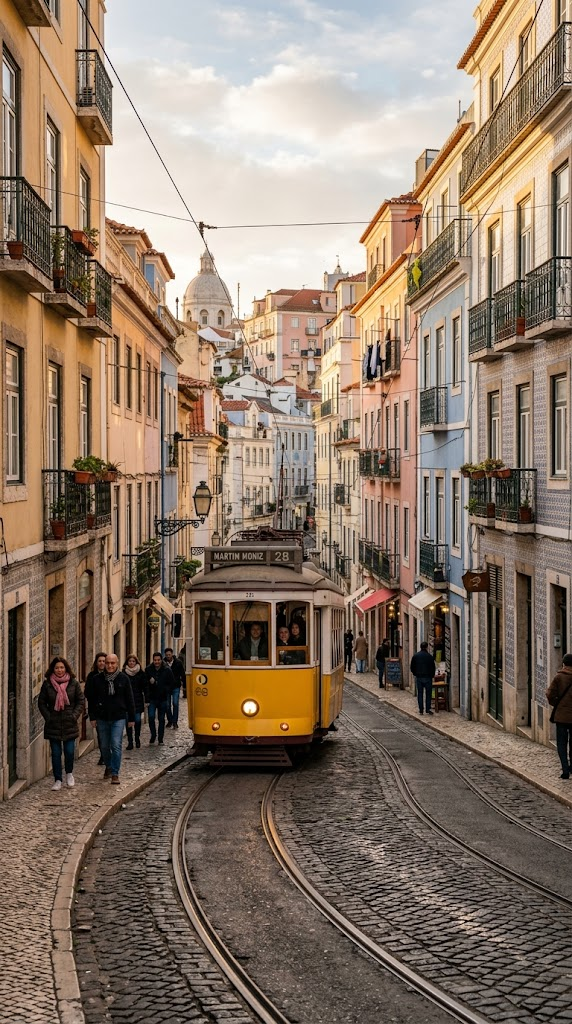
Portugal’s capital offers colorful tiled buildings, historic neighborhoods, scenic viewpoints, and a relaxed café culture. While winter can bring rain and cooler days, temperatures are generally milder than in much of northern and central Europe.
Explore Alfama’s winding streets, ride the famous yellow trams where practical, and admire the views from the city’s hilltop miradouros. Visit Belém for its historic monuments and, naturally, a pastel de nata from a local bakery.
Lisbon also makes a good base for day trips. Sintra’s palaces and gardens are beautiful in cooler weather, while the coastal towns around Cascais offer a different pace if the forecast is favorable.
One of the benefits of winter travel is that you may encounter fewer visitors than during peak summer, although Christmas and New Year’s periods can still be busy.
Best for: Mild-weather sightseeing, food, culture, and budget-conscious winter breaks.
Winter tip: Pack layers and a light waterproof jacket. Lisbon’s hills can be breezy, and winter rain can arrive unexpectedly.
17. Reykjavík and the South Coast, Iceland
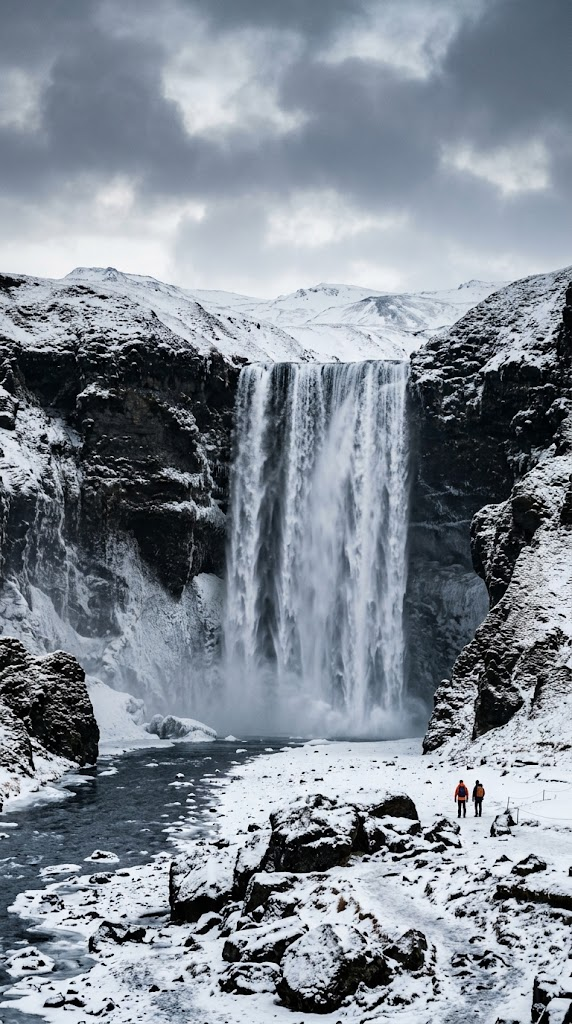
For a winter trip centered on dramatic scenery, Iceland’s South Coast is an unforgettable option. Pairing the capital, Reykjavík, with a few days exploring the countryside gives you a mix of city comforts and extraordinary natural landscapes.
Along the South Coast, you can visit famous waterfalls such as Seljalandsfoss and Skógafoss, admire black-sand beaches near Vík, and see glaciers and volcanic terrain. Winter light can make the scenery particularly striking, with soft colors and long shadows creating wonderful photography opportunities.
Some attractions require extra care in winter. Waterfalls can be icy, coastal waves can be dangerous, and roads may be affected by snow, wind, or poor visibility. Guided tours are a sensible choice if you’re unfamiliar with winter driving conditions.
You can return to Reykjavík for restaurants, museums, shopping, and geothermal bathing. With enough time, the trip can also include Northern Lights excursions away from the city’s brightest lights.
This destination is best suited to travelers who enjoy nature, flexible itineraries, and a little adventure.
Best for: Winter landscapes, waterfalls, black-sand beaches, and Northern Lights trips.
Winter tip: Allow extra time for driving and check official weather and road updates daily. Never approach the waterline on Iceland’s exposed beaches, where powerful sneaker waves can occur.
How to Choose the Best Winter Destination in Europe
With so many beautiful options, the easiest way to choose is to think about the kind of holiday you want.
- For Christmas markets: Vienna, Strasbourg, Colmar, Prague, and Bruges are excellent options.
- For reliable opportunities to enjoy snow: Rovaniemi, Zermatt, the Dolomites, and higher Alpine areas are worth considering.
- For the Northern Lights: Tromsø, Finnish Lapland, and Iceland offer opportunities to see the aurora when conditions cooperate.
- For romantic winter escapes: Hallstatt, Colmar, Venice, and Bruges are especially atmospheric.
- For skiing and snowboarding: Zermatt, Innsbruck, and the Dolomites offer access to popular mountain resorts.
- For thermal baths and relaxing city breaks: Budapest is a standout choice.
- For milder winter weather: Lisbon is a great option, while southern European destinations generally offer better chances of escaping the harshest cold.
Think about your budget, too. Switzerland and Iceland can be expensive, particularly when you add mountain excursions or organized tours. Cities such as Budapest and Prague may offer more flexibility for travelers trying to manage costs.
When Is the Best Time to Visit Europe in Winter?
Winter travel in Europe changes significantly from month to month, so your ideal dates depend on what you want to experience.
December is best for Christmas markets, festive decorations, and seasonal celebrations. It is also one of the busiest periods in many popular destinations, especially during the weeks leading up to Christmas.
January can be a good time for quieter city breaks after the holiday rush. Ski resorts remain popular, and Arctic destinations continue to offer winter activities. Some seasonal attractions in smaller towns may operate on reduced schedules, so check before traveling.
February is excellent for skiing in many Alpine regions and for winter adventures in northern Europe. It’s also a popular month for Carnival celebrations in certain cities, depending on the annual calendar.
Late February and March can bring longer daylight hours to northern destinations while still offering winter sports opportunities in many mountain resorts. Snow conditions vary, however, and lower elevations may begin to feel more like early spring.
If seeing snow is essential, prioritize northern destinations or higher-altitude mountain areas and check seasonal conditions before booking. If your main goal is Christmas markets, plan your visit around the dates of the specific markets you want to see.
What to Pack for a Winter Trip to Europe
Packing well can make the difference between a wonderful winter holiday and spending half the trip searching for a warm café.
For most European winter destinations, bring:
- A warm coat appropriate for the expected temperatures.
- Comfortable walking shoes or boots with good grip.
- Thermal base layers for colder destinations.
- Sweaters or fleece layers that are easy to add or remove.
- A scarf, gloves, and a warm hat.
- Waterproof outerwear or a compact rain jacket.
- Warm socks, especially if you’ll be outdoors for long periods.
- A portable power bank, as cold weather can affect battery performance.
- Any destination-specific equipment or clothing recommended by your tour operator.
For Arctic destinations such as Rovaniemi and Tromsø, ordinary city winter clothing may not be enough for extended outdoor activities. Ask your accommodation or tour provider whether insulated suits and boots are included.
For milder destinations such as Lisbon, you can generally pack lighter layers, but don’t assume every winter day will be sunny.
Final Thoughts
Europe in winter offers something for almost every kind of traveler. You can spend your days exploring festive markets in Vienna, admiring mountain scenery in Switzerland, chasing the Northern Lights in Finland, or enjoying the quieter streets and food culture of Lisbon.
The best destination isn’t necessarily the coldest or the snowiest. It’s the place that matches the experience you’re hoping to have, whether that means a romantic weekend, a family Christmas holiday, a ski adventure, or a relaxing escape from everyday routines.
Start with your preferred activities, choose dates that suit your plans, and leave a little room for unexpected moments along the way. After all, some of the best travel memories happen when we slow down, wander a little farther, and let a destination surprise us.
Which of these European winter destinations would you most love to visit? Whether you’re dreaming of snowy Alpine villages or a sunny Portuguese city break, your next winter adventure might be closer than you think.