15 Best Places to See Snow in Europe
There is something wonderfully magical about seeing Europe covered in snow. Medieval villages look as though they belong in a storybook, mountain peaks sparkle beneath the winter sun, and cozy cafés become the perfect places to warm up after a day outdoors. Add a scenic train journey, a steaming mug of hot chocolate, or the chance to see the Northern Lights, and suddenly a winter getaway sounds pretty irresistible.
The good news is that Europe offers plenty of incredible places to experience snowy landscapes. You can head north to the Arctic wilderness of Finland and Sweden, admire the dramatic peaks of the Swiss Alps, explore charming Austrian villages, or enjoy a traditional winter holiday in the French mountains.
Of course, not every destination receives the same amount of snow. Some northern and high-altitude locations typically maintain winter snow cover for extended periods, while cities and lower-elevation villages may experience snowfall only occasionally. Choosing the right destination and travel dates can make all the difference.
Whether you dream of building snowmen with the family, photographing picturesque Alpine scenery, skiing down spectacular slopes, or simply enjoying a peaceful winter escape, these 15 best places to see snow in Europe deserve a spot on your travel wish list.
Rovaniemi, Finland
Rovaniemi is one of the most appealing destinations in Europe for travelers dreaming of a genuine Arctic winter. Located in Finnish Lapland near the Arctic Circle, this northern city combines snowy forests, frozen landscapes, festive attractions, and exciting outdoor adventures.
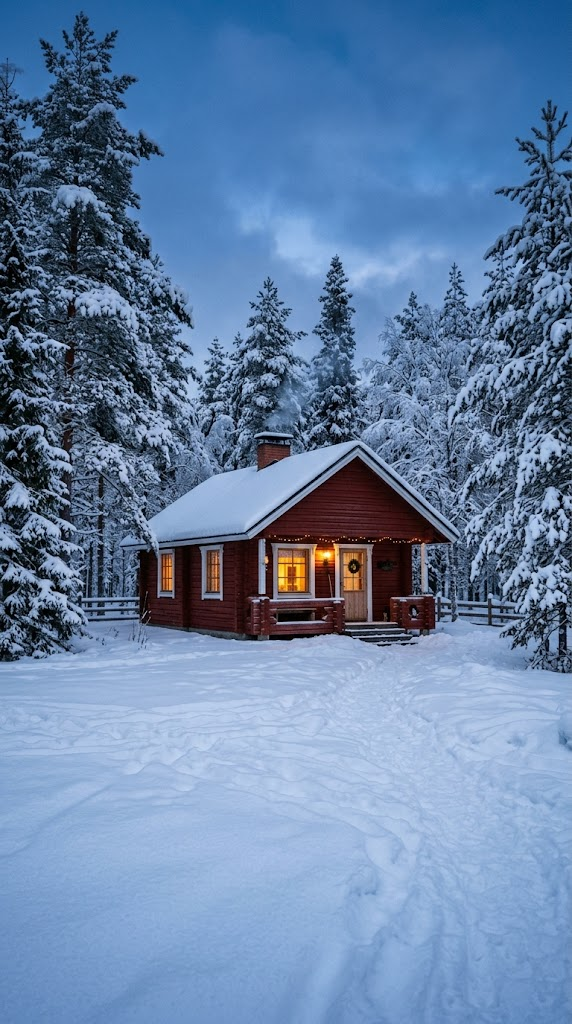
Winter transforms the surrounding countryside into a beautiful white wilderness. Snow-covered pine trees line quiet roads, wooden cabins glow against the darkness, and the landscape feels wonderfully removed from the everyday rush of city life.
One of Rovaniemi’s best-known attractions is Santa Claus Village, where visitors can meet Santa Claus, cross the Arctic Circle, browse souvenir shops, and enjoy seasonal activities. Although the village is particularly popular in December, Rovaniemi offers much more than Christmas-themed experiences.
Travelers can join husky-sledding excursions, take reindeer sleigh rides, explore snowy trails on snowshoes, or venture into the countryside in search of the Northern Lights. Several local operators also offer snowmobile trips for visitors who want a little more adventure.
January and February are excellent months to consider if your priority is winter scenery rather than Christmas festivities. December offers a special holiday atmosphere, although it is also a busy period when accommodation and activities should be booked well in advance.
Keep in mind that Arctic temperatures can fall considerably below freezing, and daylight is limited around the winter solstice. Pack insulated boots, thermal layers, gloves, and a warm hat.
Best time to visit: December to March.
Best for: Arctic scenery, families, Northern Lights excursions, husky sledding, and festive winter holidays.
Zermatt, Switzerland
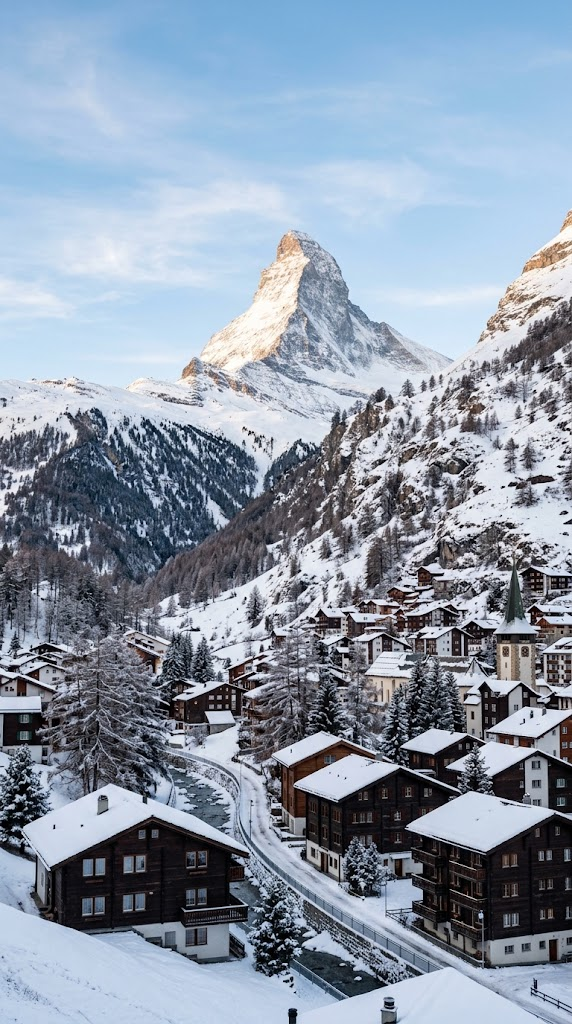
If your idea of a snowy European escape involves towering mountains, traditional wooden chalets, and spectacular Alpine views, Zermatt deserves serious consideration.
This beautiful Swiss mountain resort sits beneath the Matterhorn, one of the world’s most recognizable mountain peaks. Its distinctive shape makes it a favorite among photographers, while the surrounding mountains create an extraordinary setting for winter adventures.
Zermatt is largely car-free, which gives the village a peaceful atmosphere. Visitors can wander through its streets, browse independent shops, enjoy Swiss chocolate, or settle into a restaurant for cheese fondue after a day outdoors.
The surrounding mountains offer extensive skiing and snowboarding opportunities, with high-altitude terrain helping support a long winter sports season. Scenic mountain railways and cable cars also make it possible to enjoy impressive views without spending the entire holiday on skis.
For one of the most memorable experiences, take the Gornergrat Railway. This mountain railway climbs through beautiful Alpine scenery to a panoramic viewpoint overlooking the Matterhorn and surrounding peaks. On a clear winter day, the views can be extraordinary.
Zermatt is also an excellent choice for travelers who prefer photography, mountain walks on suitable maintained paths, and relaxed evenings to adrenaline-filled sports.
The main drawback is the cost. Switzerland can be expensive, especially in famous mountain resorts, so consider booking accommodation early and comparing restaurants and lift passes before traveling.
Best time to visit: December to March for a classic snowy winter holiday.
Best for: Iconic mountain views, skiing, photography, scenic railways, and romantic getaways.
Tromsø, Norway
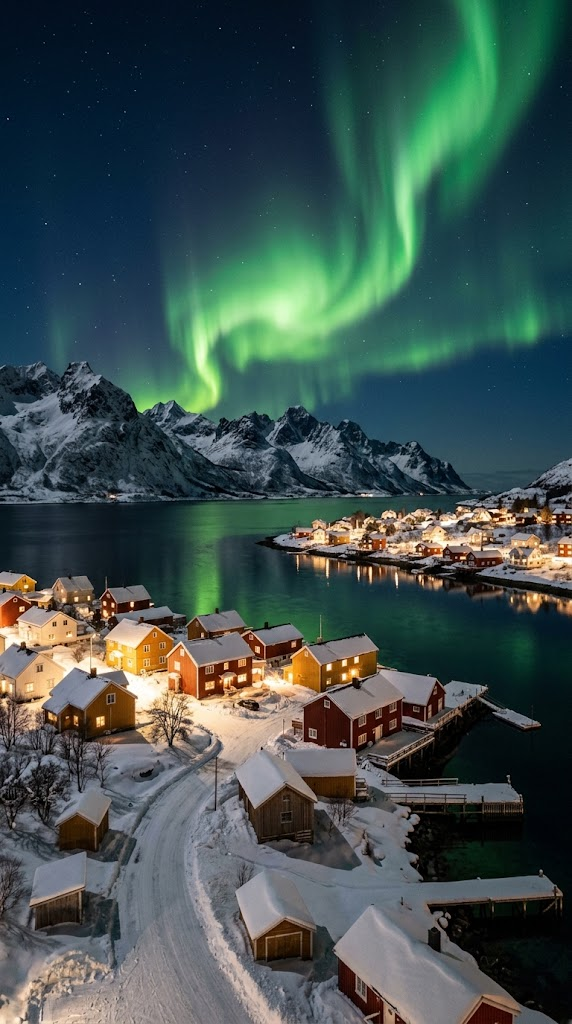
Tromsø is a wonderful destination for anyone who wants to combine snowy Arctic scenery with the possibility of witnessing the Northern Lights.
Located in northern Norway, well above the Arctic Circle, the city is surrounded by mountains, fjords, and islands that look especially dramatic during winter. Its coastal position also gives it a different character from the colder inland landscapes of Lapland.
During the darkest part of winter, Tromsø experiences the polar night, when the sun remains below the horizon for an extended period. This does not mean the city stays completely dark all day; twilight can create beautiful blue and purple colors across the landscape.
The long winter nights make Tromsø an attractive base for aurora excursions. Local guides often take visitors away from city lights in search of clearer skies, although Northern Lights sightings are never guaranteed.
There is plenty to do during daylight hours, too. Depending on weather and seasonal conditions, visitors can join whale-watching excursions, take a cable car up Mount Storsteinen, explore nearby islands, or experience dog sledding in the surrounding countryside.
The city itself has restaurants, cafés, museums, and cultural attractions, making it a comfortable base for travelers who want Arctic adventures without staying in an isolated wilderness cabin.
February and March can be particularly appealing because daylight returns, creating more opportunities for sightseeing while winter conditions may still support snowy excursions.
Best time to visit: December to March.
Best for: Northern Lights, Arctic adventures, fjord scenery, photography, and guided winter excursions.
Zermatt’s Swiss Neighbor: Jungfrau Region, Switzerland
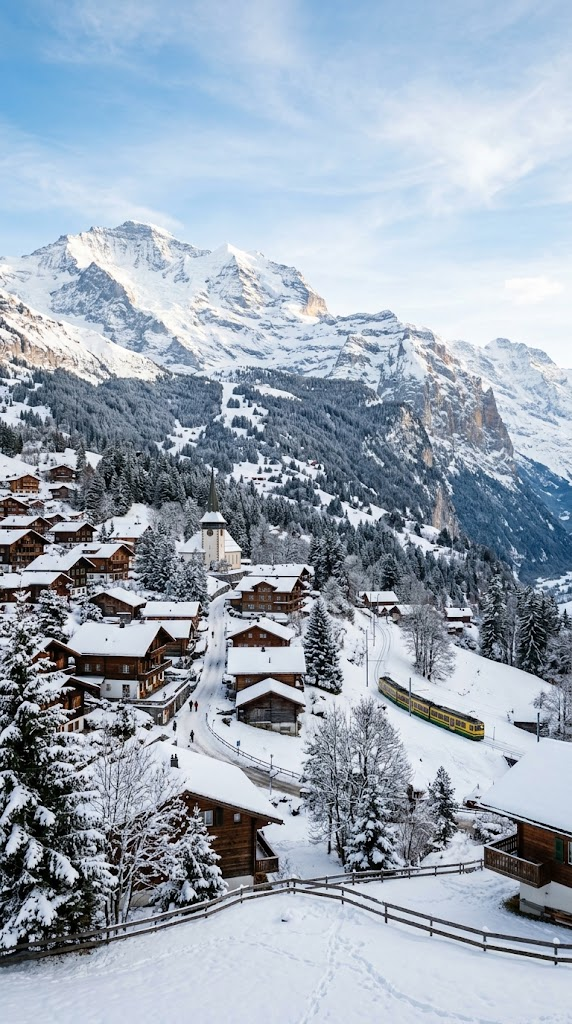
The Jungfrau Region offers another fantastic way to experience the Swiss Alps, particularly if you love postcard-perfect villages and sweeping mountain panoramas.
The region includes popular destinations such as Grindelwald, Wengen, and Mürren. Each has its own character, but all provide access to spectacular Alpine scenery and winter activities.
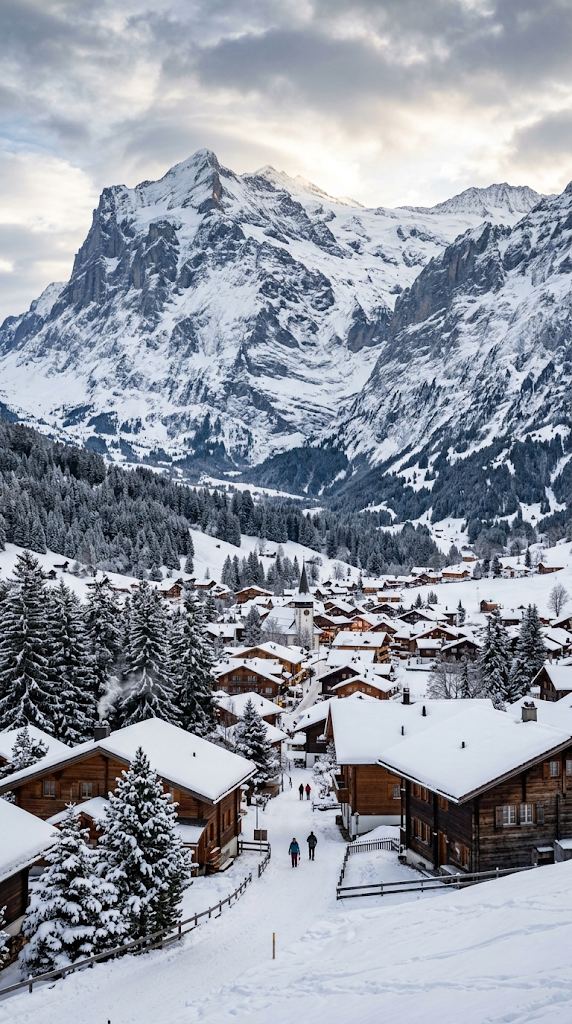
Grindelwald is a convenient base for mountain excursions, skiing, and winter walks. Its setting beneath the dramatic north face of the Eiger gives the village a striking backdrop, particularly when fresh snow covers the surrounding slopes.
Wengen offers a more traditional mountain-village atmosphere. Because it is largely car-free, visitors can enjoy a quieter setting while taking in views of the Lauterbrunnen Valley and surrounding peaks.
Mürren sits high above the valley and provides magnificent views across the Bernese Alps. Its peaceful streets and traditional buildings make it especially appealing to travelers looking for a relaxed winter escape.
One of the region’s major attractions is the Jungfraujoch excursion, which takes visitors by mountain railway to a high-altitude area known for its glaciers and panoramic views. Conditions can be extremely cold, and visibility varies, so check the forecast before booking.
You do not need to ski to appreciate this part of Switzerland. Cable cars, scenic railways, village strolls, and mountain viewpoints provide plenty of alternatives.
Snowfall varies by elevation and weather, but the higher mountain areas generally offer more dependable winter conditions than the villages below.
Best time to visit: December to March.
Best for: Alpine villages, scenic trains, mountain viewpoints, winter photography, and family holidays.
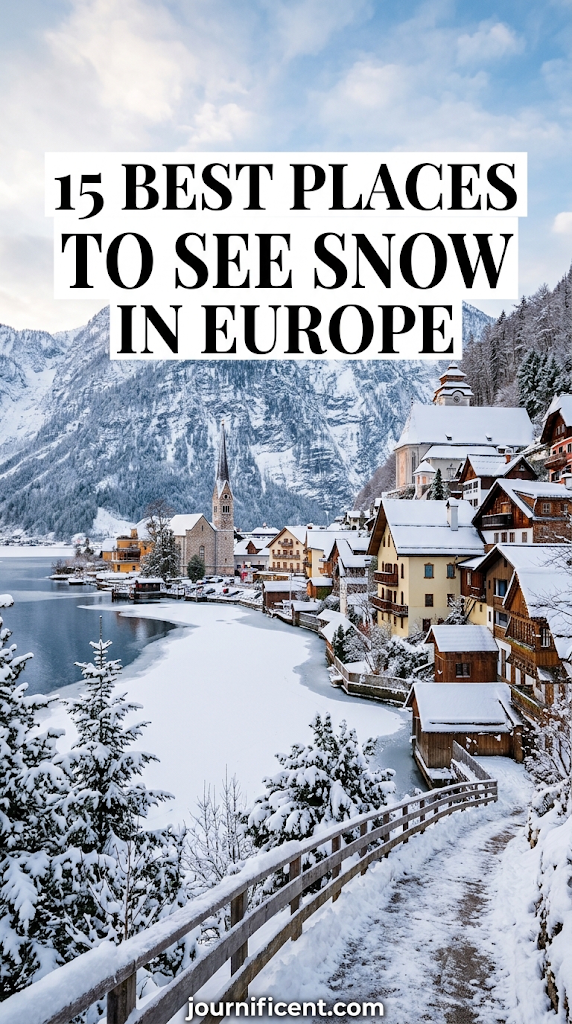
Hallstatt, Austria
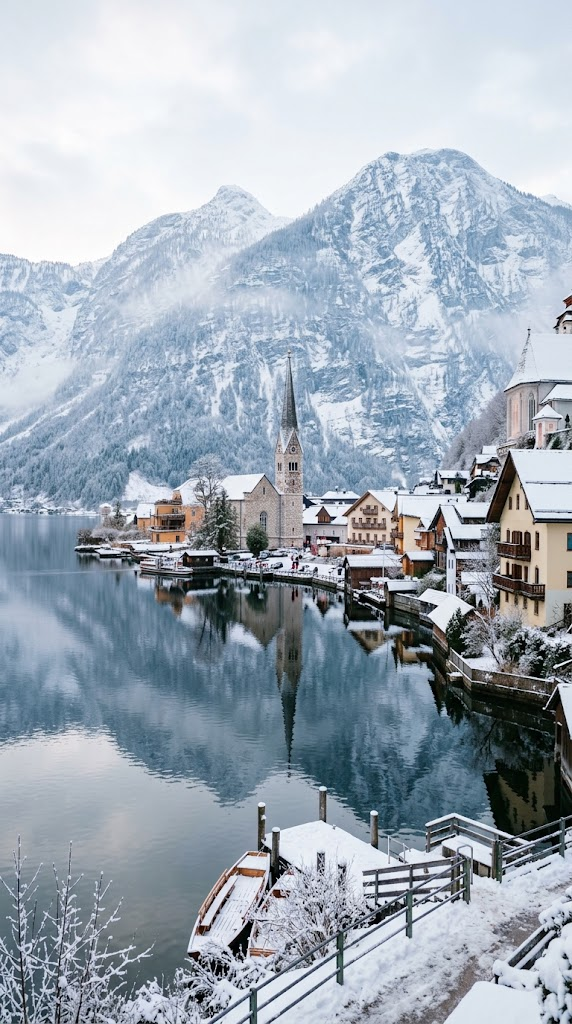
Hallstatt is one of Europe’s most enchanting lakeside villages, and winter can give it an especially romantic atmosphere.
Located beside Hallstätter See in Austria’s Salzkammergut region, the village is famous for its traditional houses, narrow lanes, lakeside setting, and dramatic mountain backdrop. When snow settles on the rooftops and surrounding slopes, the scenery can look almost unreal.
The village is relatively small, making it ideal for a relaxed getaway rather than a packed itinerary. You can stroll along the waterfront, admire historic buildings, browse local shops, and stop for Austrian pastries or a warming drink.
Hallstatt’s beauty is particularly noticeable early in the morning, when the lake is calm and the streets are quieter. Winter mist can add an atmospheric touch to the scenery, while clear days reveal the surrounding mountains in impressive detail.
Nearby attractions provide opportunities to explore the wider region. The Hallstatt Salt Mine and the Dachstein area are popular options, although opening schedules and mountain activities vary by season and weather.
One important point: Hallstatt is not a snow guarantee. Its lower lakeside location means snowfall can be inconsistent, especially during milder spells. If seeing snow is your main priority, combine a visit with higher-altitude destinations nearby or choose dates with favorable forecasts.
The village is also extremely popular with day-trippers. Staying overnight can provide a quieter experience after many visitors have departed.
Best time to visit: January and February for a chance of a wintry atmosphere, although snow is weather-dependent.
Best for: Romantic escapes, lakeside photography, traditional architecture, and peaceful village walks.
Chamonix, France
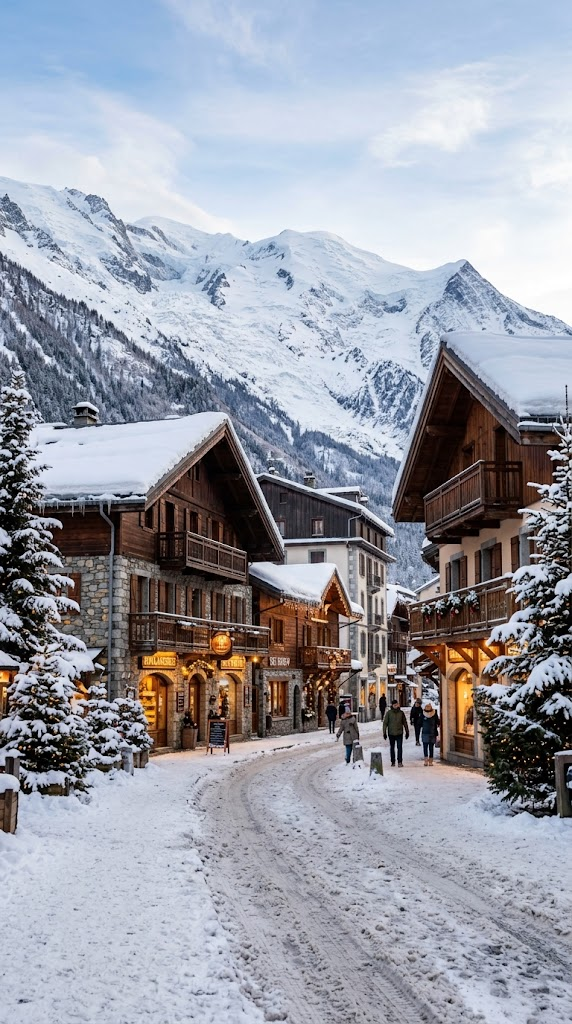
Chamonix is one of the French Alps’ most famous mountain destinations, attracting skiers, mountaineers, photographers, and travelers who simply want to enjoy extraordinary winter scenery.
Situated beneath Mont Blanc, the highest mountain in the Alps, Chamonix combines a lively town center with dramatic mountain views. Its international atmosphere, outdoor culture, and extensive mountain activities make it a popular base for an Alpine holiday.
During winter, the surrounding peaks and high-altitude slopes create an impressive snowy backdrop. Skiers can choose from several nearby ski areas, while non-skiers can explore the town, ride selected mountain lifts when operating, or enjoy views from designated winter walking routes.
The Aiguille du Midi cable car is one of the area’s best-known attractions. When operating conditions allow, it carries visitors to a spectacular high-altitude viewpoint overlooking the Mont Blanc massif. The altitude is significant, so take it slowly and follow local guidance.
Chamonix also has plenty of cozy restaurants, bakeries, and cafés. After a day outdoors, it is easy to settle in for French Alpine specialties such as tartiflette, a hearty dish traditionally made with potatoes, cheese, onions, and bacon.
If you plan to ski, compare the different local ski areas before purchasing a pass. They do not all offer the same terrain or conditions, and some mountain excursions are separate from standard ski tickets.
As with other Alpine resorts, snowfall and skiing conditions vary. Higher elevations generally offer better prospects for snow, but weather can affect lift operations and visibility.
Best time to visit: December to March.
Best for: Skiing, mountain scenery, cable-car excursions, Alpine food, and outdoor adventures.
Rovaniemi’s Arctic Alternative: Swedish Lapland
Swedish Lapland is a superb option for travelers who want expansive snowy wilderness, frozen lakes, and the quiet beauty of northern Scandinavia.
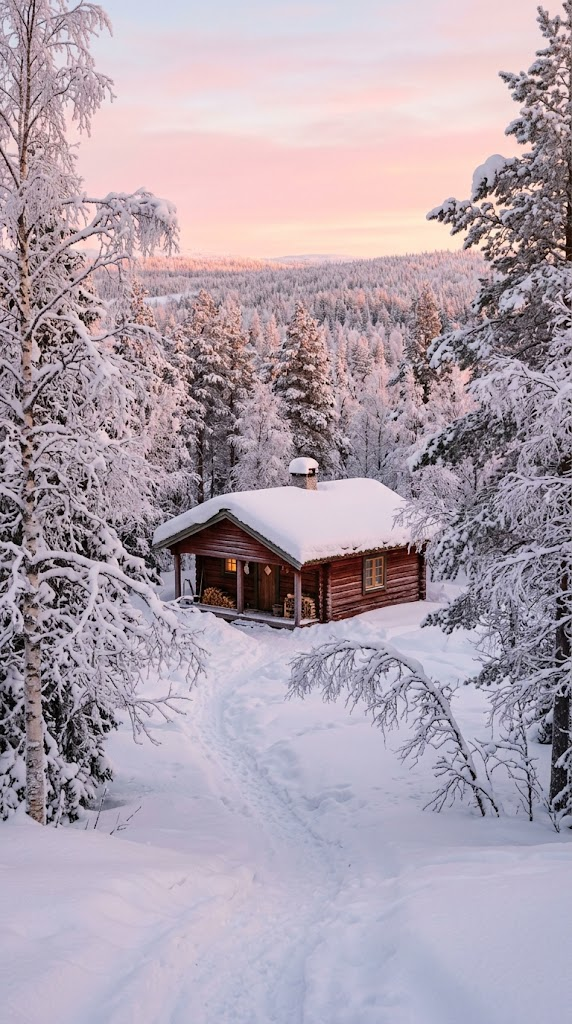
The region covers a vast area of northern Sweden, including destinations such as Kiruna and the small village of Jukkasjärvi. Rather than focusing on one city, a trip here can revolve around remote lodges, forest landscapes, and guided experiences in the Arctic countryside.
Winter brings long periods of cold weather and typically extensive snow cover across many inland areas. Snow-covered forests, frozen waterways, and open landscapes create wonderful conditions for photography and outdoor exploration.
One of the region’s best-known attractions is the ICEHOTEL in Jukkasjärvi. Rebuilt each winter using ice and snow, its seasonal rooms and artistic ice installations offer a distinctive accommodation experience. The property also has warmer accommodation options for visitors who would rather admire the icy creations than sleep in subzero surroundings.
Popular activities include dog sledding, snowshoeing, cross-country skiing, and Northern Lights excursions. Travelers can also learn about Sámi culture through responsible, locally guided experiences that respect the traditions and livelihoods of Indigenous communities.
February and March are particularly attractive for travelers who want a balance of snowy scenery and increasing daylight. December has a festive Arctic atmosphere but also brings shorter days and strong demand for accommodation.
Because distances are considerable, choose your base carefully and arrange transport in advance. Some activities take place far from towns, and winter driving requires experience and preparation.
Best time to visit: December to March.
Best for: Arctic wilderness, ice hotels, snowy forests, outdoor adventures, and Northern Lights photography.
Innsbruck, Austria
Innsbruck is a great choice if you want to combine a historic European city with easy access to snowy mountains.
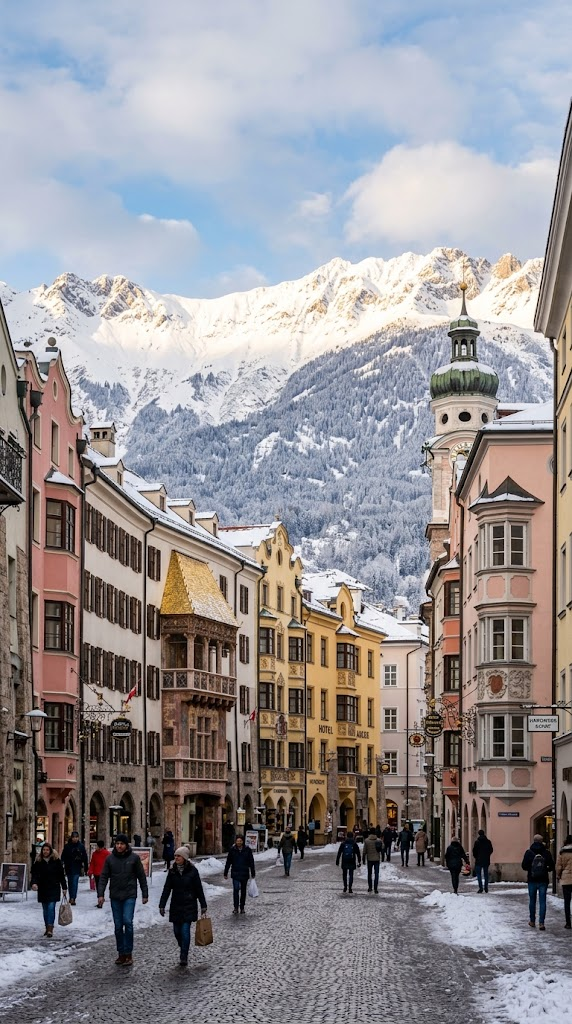
Located in Austria’s Tyrol region, Innsbruck sits in the Inn Valley and is surrounded by impressive Alpine peaks. Its compact historic center features colorful buildings, traditional architecture, and inviting cafés, while nearby mountain transport makes outdoor excursions convenient.
One of the city’s best features is the contrast between urban sightseeing and mountain scenery. You can spend the morning exploring the Old Town and admiring the famous Golden Roof, then head toward higher elevations for panoramic views.
The Nordkette mountain range is particularly accessible from the city. Cable cars connect central Innsbruck with higher mountain stations, offering dramatic views when weather and operating conditions permit.
Skiers have access to several nearby resorts, and the wider region provides opportunities for snowboarding, winter hiking on designated paths, and other seasonal activities.
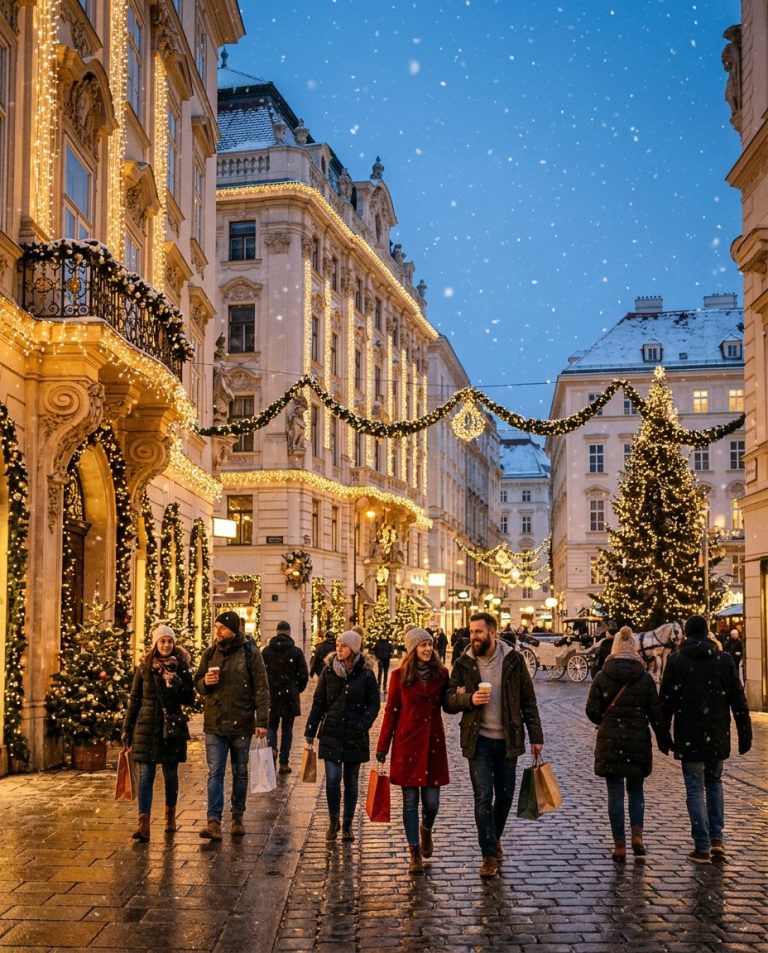
Innsbruck is also an appealing destination during the Christmas market season, when historic streets and squares take on a festive atmosphere. Outside December, the city remains an attractive winter base because its restaurants, museums, and cultural attractions provide alternatives when the weather turns unpleasant.
Snow is more dependable at higher elevations than in the city center, where temperatures can fluctuate. Travelers who specifically want to see deep snow should plan mountain excursions rather than relying on a white cityscape.
Best time to visit: December to March.
Best for: City-and-mountain holidays, skiing, historic streets, scenic cable cars, and Christmas markets.
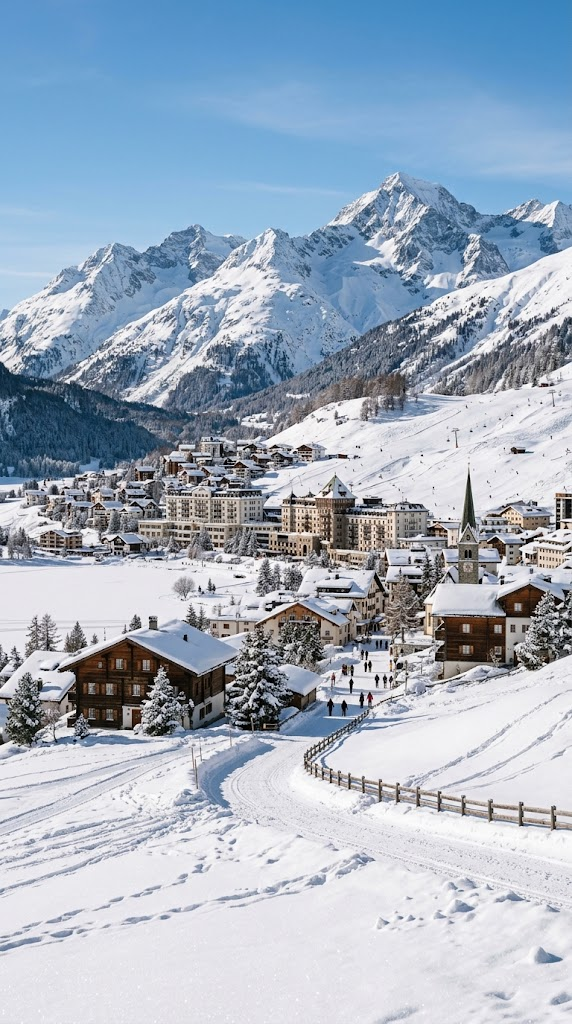
St. Moritz, Switzerland
St. Moritz is synonymous with stylish Alpine holidays, beautiful mountain scenery, and winter sports.
Situated in the Engadin Valley in southeastern Switzerland, this renowned resort sits at a high elevation and benefits from a winter climate that often supports excellent snow conditions in the surrounding mountains.
The destination has a polished atmosphere, with elegant hotels, upscale shops, fine dining, and a beautiful lakeside setting. However, you do not need a luxury budget to appreciate the scenery. Public transport, mountain viewpoints, and walks around suitable areas can also make a visit memorable.
During winter, skiing and snowboarding are major attractions. The wider Engadin area provides a range of slopes, while cross-country skiing and winter walking appeal to visitors seeking a different pace.
Lake St. Moritz is another highlight. When conditions permit, the frozen lake becomes a striking part of the winter landscape and may host organized seasonal activities. Never assume that a frozen lake is safe to walk on without official confirmation.
St. Moritz is also known for its sunshine, although clear weather is never guaranteed. Bright winter light against snowy peaks can create wonderful conditions for photography.
Accommodation and dining can be expensive, especially during major events and peak holiday periods. Booking early and considering nearby villages may help control costs.
Best time to visit: December to March.
Best for: Upscale winter escapes, skiing, snow-covered mountain scenery, cross-country skiing, and photography.
Zakopane, Poland
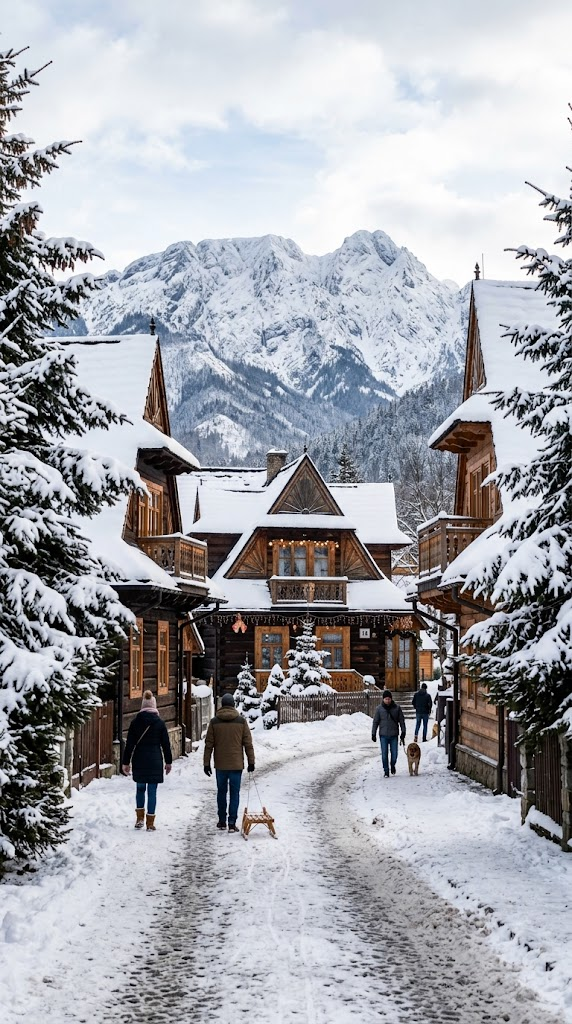
Zakopane is a charming mountain town at the foot of the Tatra Mountains, close to Poland’s southern border with Slovakia. It is an excellent choice for travelers who want snowy mountain scenery and traditional regional culture without automatically paying Swiss or French Alpine resort prices.
Winter brings a lively atmosphere to the town. Wooden architecture, regional restaurants, market stalls, and views of the surrounding mountains give Zakopane a distinctive character.
Krupówki Street is the main pedestrian shopping area, where visitors can browse local products, sample Polish food, and warm up with a hot drink. Try oscypek, a traditional smoked sheep’s milk cheese associated with the Tatra region.
Outdoor enthusiasts can choose from nearby ski areas, while winter walking routes and organized excursions provide alternatives for those who do not ski. The Kasprowy Wierch cable car is another popular attraction when operating, offering access to high mountain scenery.
The nearby Tatra National Park contains beautiful landscapes, but winter conditions can make mountain routes hazardous. Ice, deep snow, and avalanche risks require careful planning, suitable equipment, and attention to official trail advisories.
January and February are often appealing for a classic winter atmosphere, although conditions vary from year to year.
Zakopane can be busy during Polish school holidays and weekends, so consider midweek dates if you prefer a quieter stay.
Best time to visit: January to February.
Best for: Snowy mountain scenery, skiing, Polish cuisine, traditional architecture, and budget-conscious winter travel.
Salzburg, Austria
Salzburg is an excellent winter destination for travelers who appreciate historic architecture, music, festive traditions, and the possibility of snowy mountain views.
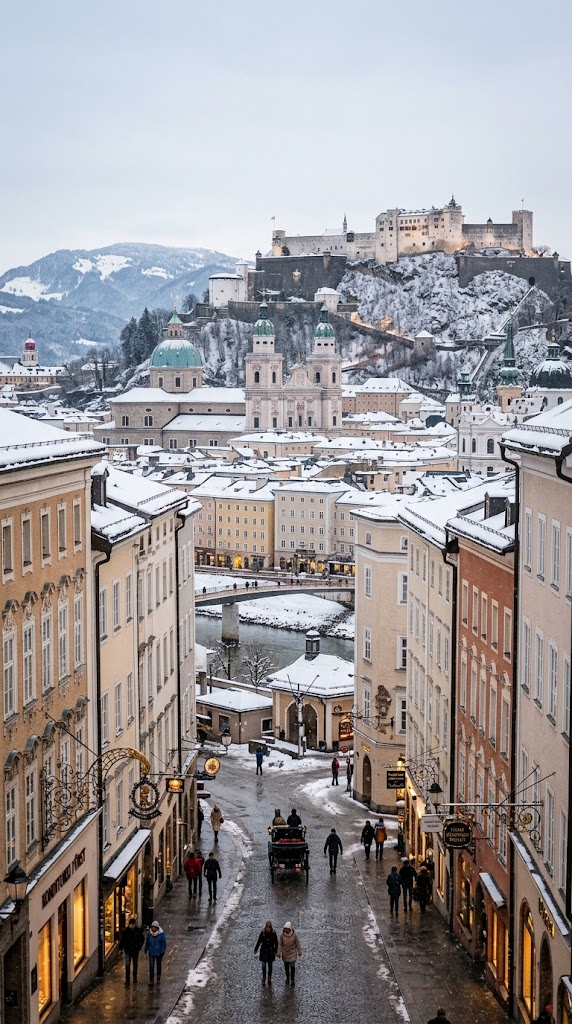
The Austrian city is famous for its Baroque Old Town, elegant squares, fortress overlooking the city, and connections to Mozart. During winter, its historic streets and cafés offer a wonderful setting for a slower-paced city break.
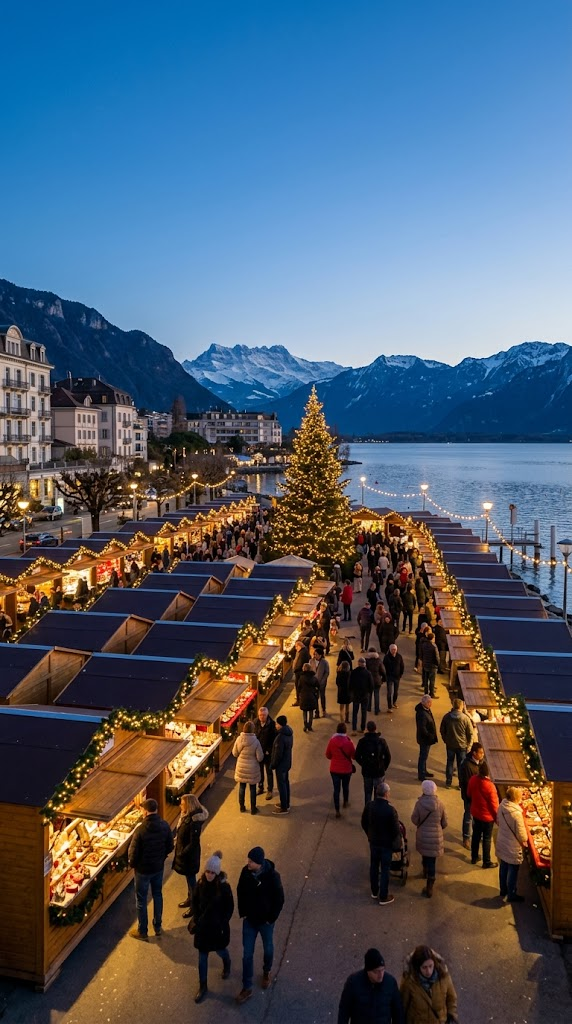
Salzburg’s Christmas markets are a major attraction in December. Stalls selling seasonal treats, handmade gifts, and warm drinks create a festive atmosphere around the city’s historic center.
The city is also a useful base for exploring the surrounding region. The nearby Alps offer opportunities for day trips to mountain villages and ski resorts, while lakes and countryside destinations provide beautiful scenery throughout the colder months.
If snow is important to your trip, plan an excursion beyond the city center. Salzburg itself can experience snowfall, but a white Old Town is not guaranteed. Higher mountain destinations generally offer better prospects for snow-covered landscapes.
Winter visitors can also explore museums, historic sites, traditional cafés, and concert venues when outdoor conditions are less favorable.
For a memorable combination, spend a couple of days in Salzburg and then continue into the Austrian Alps. This allows you to enjoy the city’s culture without missing the mountain scenery that makes the region so appealing.
Best time to visit: December for Christmas markets; January to March for quieter sightseeing and nearby winter excursions.
Best for: Culture, architecture, Christmas markets, music, and mountain day trips.
The Dolomites, Italy
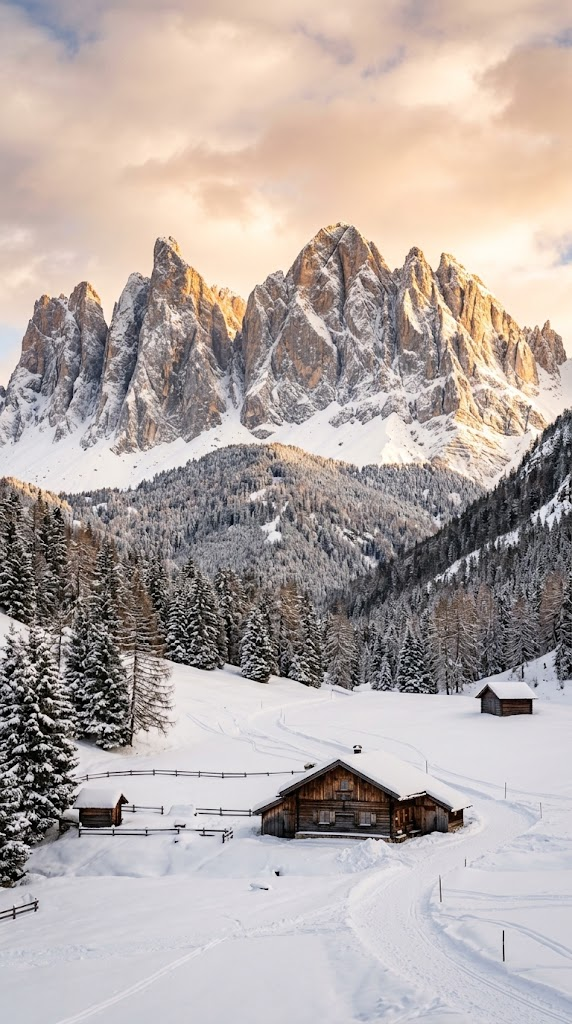
The Dolomites are among Europe’s most striking mountain landscapes, known for their dramatic limestone peaks, beautiful valleys, and traditional Alpine villages.
Located in northeastern Italy, this mountain range offers a different flavor of winter travel from Switzerland or Austria. Italian food culture, charming mountain communities, and spectacular scenery come together to create an appealing holiday experience.
Winter transforms the region into a destination for skiing, snowboarding, snowshoeing, and scenic excursions. Popular bases include Cortina d’Ampezzo, Val Gardena, and Alta Badia, each offering access to beautiful mountain terrain.
The famous Tre Cime di Lavaredo peaks are especially recognizable, although access to high mountain routes can be restricted or challenging during winter. Do not assume that summer hiking trails remain safe or accessible beneath the snow.
For visitors who prefer a more relaxed holiday, mountain villages provide cozy accommodation, regional restaurants, and opportunities to admire the scenery without skiing every day.
Food is another major attraction. The region blends Italian traditions with Central European influences, so you may find fresh pasta alongside hearty dumplings, local cheeses, and warming Alpine dishes.
December can be festive, while January and February often bring strong winter sports appeal. Snow conditions vary by elevation, so check resort reports if skiing is your priority.
Best time to visit: December to March.
Best for: Dramatic mountain scenery, skiing, winter photography, traditional villages, and Italian Alpine cuisine.
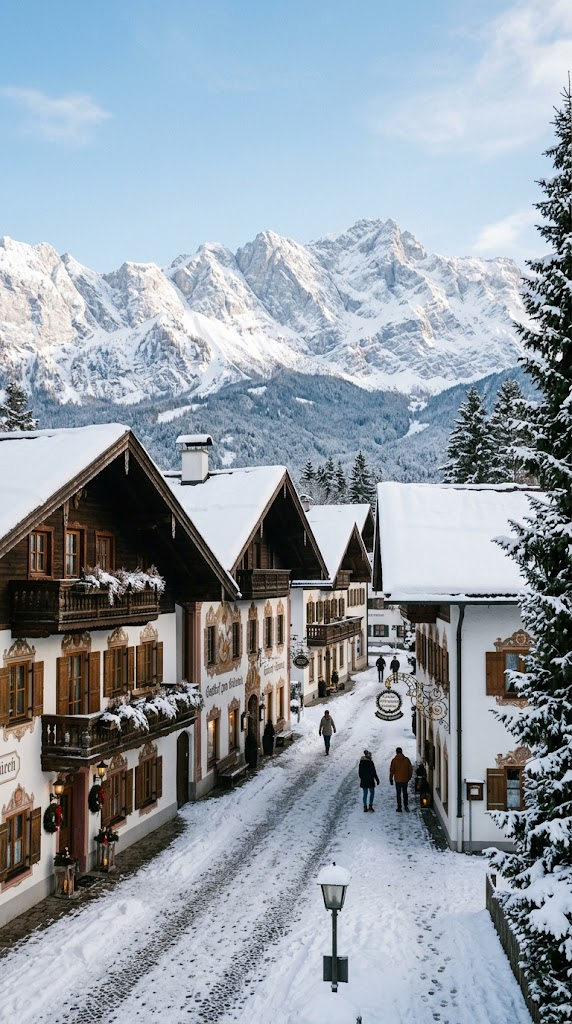
Garmisch-Partenkirchen, Germany
Garmisch-Partenkirchen is one of Germany’s best-known Alpine destinations and a wonderful option for a winter holiday filled with mountain views.
Located in Bavaria near the Austrian border, the town combines traditional architecture with access to some of the region’s most impressive scenery. It is particularly popular with skiers, but there are plenty of ways to enjoy the area without putting on ski boots.
The Zugspitze, Germany’s highest mountain, is a major attraction. Mountain railways and cable cars provide access to high-altitude viewpoints when weather and operations allow. Snow conditions are generally more dependable at higher elevations than in the town itself.
Visitors can also explore the historic streets, sample Bavarian food, and enjoy the surrounding countryside. Winter walking routes are available in designated areas, although conditions should always be checked before setting out.
For travelers who enjoy scenic excursions, the nearby Partnach Gorge is famous for its dramatic rock walls and rushing water. Winter visits can be spectacular, but ice and seasonal closures may affect access, so check current local information.
Garmisch-Partenkirchen works particularly well for a combination of outdoor activities and comfortable town facilities. You can spend the day exploring the mountains and return to restaurants and cafés in the evening.
Best time to visit: December to March.
Best for: Bavarian culture, mountain railways, skiing, winter scenery, and family trips.
Reykjavík and Southern Iceland
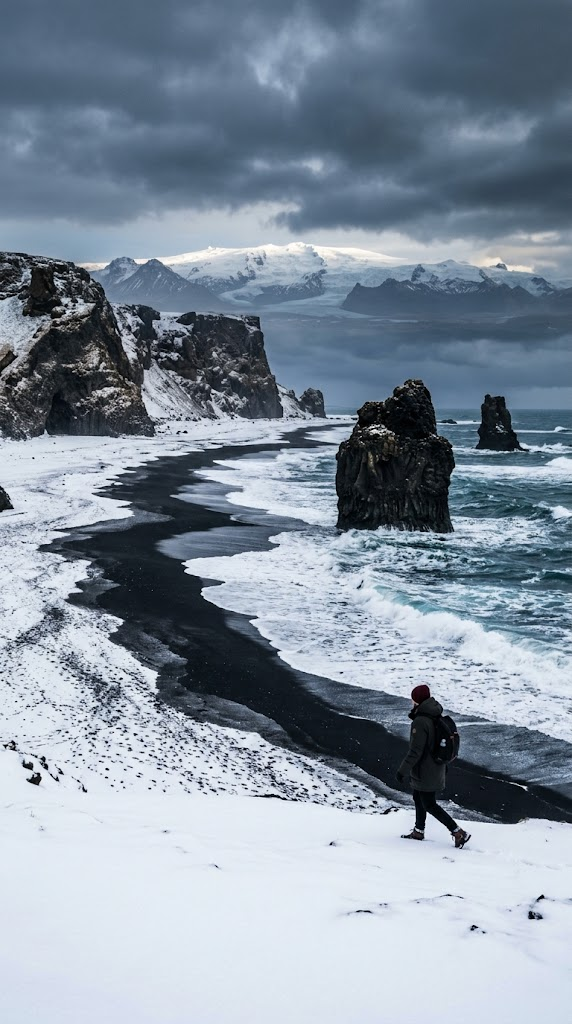
Iceland offers a distinctive winter experience, with volcanic landscapes, waterfalls, glaciers, geothermal pools, and dramatic coastal scenery.
Reykjavík makes a convenient base for exploring the country’s attractions, while day trips into southern Iceland reveal some of the most memorable winter landscapes in Europe.
The city itself combines colorful buildings, museums, cafés, restaurants, and easy access to geothermal bathing. After spending time outdoors in cold weather, a warm geothermal pool can be a welcome part of the experience.
Beyond the capital, winter excursions may include waterfalls such as Seljalandsfoss and Skógafoss, black-sand beaches near Vík, glacier viewpoints, and the famous Golden Circle route. Snow, ice, wind, and road conditions can change quickly, however, and some attractions may be difficult to access during severe weather.
Iceland is also a popular destination for Northern Lights viewing. The aurora can appear between late summer and spring when darkness and solar activity cooperate, but sightings are never guaranteed. Staying several nights improves your opportunities to try on different evenings.
An important distinction: Reykjavík does not reliably stay snow-covered throughout winter. Coastal temperatures and changing weather can produce a mixture of rain, sleet, ice, and snow. Inland and higher-elevation areas can offer a different picture.
If you rent a car, check road conditions regularly and be prepared to change plans. Guided excursions are a sensible alternative when winter driving conditions are unfamiliar.
Best time to visit: December to March for a classic winter trip, with flexibility around weather.
Best for: Northern Lights, glaciers, waterfalls, geothermal pools, and dramatic landscapes.
Bansko, Bulgaria
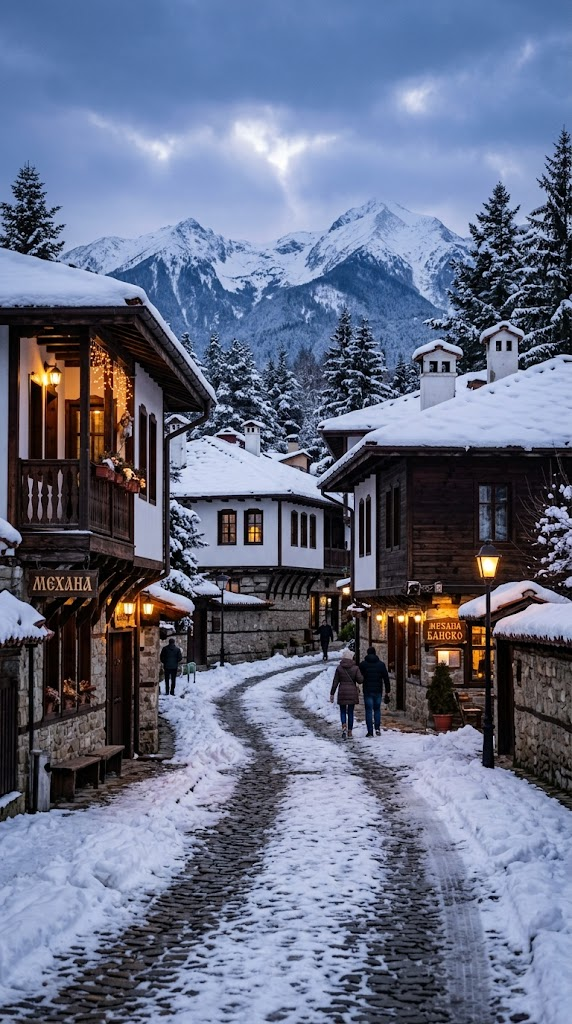
Bansko is an appealing option for travelers looking for a mountain holiday that may be more affordable than some of Europe’s best-known Alpine resorts.
Located at the foot of Bulgaria’s Pirin Mountains, the town combines a historic center with a developed ski area. Traditional stone houses, cobbled streets, and local restaurants give it character beyond its winter sports facilities.
The ski resort offers slopes for different experience levels, while the surrounding mountains provide a dramatic backdrop for winter walks and photography. Snow conditions vary with elevation and weather, so check the latest resort reports before booking a skiing-focused trip.
Bansko’s historic quarter is worth exploring, too. Visitors can enjoy Bulgarian cuisine, browse small shops, and spend evenings in traditional taverns known locally as mehanas.
Compared with some Swiss and French destinations, Bansko can offer a more accessible price point for accommodation, dining, and skiing. Actual costs depend on dates, equipment rental, lift passes, and how close you stay to the resort facilities.
The town can become busy during peak winter holidays, so booking accommodation early is sensible. If you are flexible, compare different dates and look at the cost of ski packages before making a decision.
For a trip that combines mountain scenery, winter sports, and regional culture, Bansko is well worth considering.
Best time to visit: January to March, depending on snow conditions.
Best for: Budget-conscious skiing, mountain scenery, Bulgarian food, and relaxed winter breaks.
The French Alps Around Val Thorens, France
If your main goal is to spend time in a snowy mountain environment, Val Thorens is one of Europe’s strongest options to consider.
Situated at approximately 2,300 meters above sea level, it is one of the highest major ski resorts in Europe. Its elevation helps support a relatively long ski season, making it particularly appealing to visitors who want to plan a winter sports holiday.
Val Thorens forms part of the enormous Les 3 Vallées ski area, which connects several resorts through an extensive network of lifts and pistes. The terrain caters to a range of abilities, although beginners should choose suitable runs and consider lessons before tackling unfamiliar slopes.
The resort itself is purpose-built for winter sports, with accommodation, restaurants, shops, and ski facilities close to the slopes. This convenience can make it especially attractive for families and groups who want to maximize their time outdoors.
Even if you do not ski, the surrounding mountain scenery offers plenty of appeal. Visitors can enjoy mountain dining, selected snow activities, and panoramic views, depending on the season and local conditions.
Val Thorens is generally a better choice for dependable winter sports conditions than a low-altitude European city. Nevertheless, snow quality, lift availability, and weather remain variable, so check current resort updates before traveling.
Because accommodation can be expensive during school holidays, consider comparing package deals and traveling outside the busiest weeks.
Best time to visit: Late November to April, depending on the resort’s operating schedule and conditions.
Best for: Skiing, snowboarding, high-altitude scenery, group holidays, and a classic French Alps experience.
When Is the Best Time to See Snow in Europe?
Choosing the right month is just as important as choosing the destination. Europe’s winter weather varies considerably between the Arctic north, the Alpine mountains, and lower-altitude cities.
December is ideal for festive markets, Christmas celebrations, and atmospheric winter villages. Northern Finland, Swedish Lapland, and high mountain resorts are good options if you want a snowy setting. However, popular holiday destinations can be expensive and busy.
January is a strong choice for travelers seeking a quieter winter escape after the Christmas and New Year rush. Northern Scandinavia and many high-altitude ski resorts remain appealing, while some European cities offer better accommodation availability.
February is popular for family ski holidays and snowy mountain trips. It can be an excellent month for the Alps and Lapland, although school holidays in several countries can make resorts busy.
March brings longer daylight hours to many northern destinations and can still offer excellent winter sports conditions at higher elevations. It is also a good time to consider Arctic excursions when you want more daylight for outdoor activities.
For the best chance of seeing snow, focus on northern inland destinations and mountain areas at higher elevations. If a snowy village or city is essential to your plans, check typical conditions and recent forecasts before booking.
What to Pack for a Snowy European Holiday
A successful winter trip begins with the right clothing. You do not need to purchase an entirely new wardrobe, but a few practical choices can make cold-weather sightseeing much more comfortable.
- Thermal base layers: These help retain warmth without requiring bulky clothing.
- Insulated winter coat: Choose one suited to the temperatures and activities you expect.
- Waterproof boots: Look for good grip, insulation, and protection against slush and snow.
- Warm socks: Wool or suitable thermal blends can help keep your feet comfortable.
- Gloves and a hat: These are especially important in Arctic destinations and at high elevations.
- Waterproof outer layers: Useful for wet snow, wind, and changing weather.
- Sunglasses and sunscreen: Snow can reflect sunlight, especially in the mountains.
- Portable power bank: Cold weather can reduce phone battery performance.
- Travel insurance: Check that your policy covers the activities you plan to do, particularly skiing or other adventure sports.
Layering is usually more practical than wearing one extremely thick outfit. You can add or remove layers as you move between cold outdoor environments and heated trains, restaurants, or museums.
If you are planning an Arctic adventure, ask your tour operator whether specialized thermal clothing is included. Some excursions provide insulated suits and boots, reducing the amount of equipment you need to bring.
Final Thoughts on the Best Places to See Snow in Europe
Europe has a snowy destination for almost every kind of traveler. Finnish and Swedish Lapland offer Arctic adventures and the possibility of Northern Lights sightings, while Switzerland and the French Alps deliver spectacular mountain scenery and world-class winter sports.
Austria combines charming villages with convenient mountain excursions, Poland and Bulgaria provide appealing alternatives for travelers watching their budgets, and Iceland offers a dramatic mix of glaciers, waterfalls, and geothermal experiences.
The most important thing is to match your destination to the kind of winter holiday you want. If you are dreaming of deep snow and outdoor adventures, prioritize northern inland locations and high-altitude resorts. If your ideal getaway involves picturesque streets, cafés, and beautiful scenery, a historic village or Alpine city may be a better fit.
And remember, snow is part of nature’s schedule, not a guaranteed travel amenity. Check seasonal conditions, book important activities in advance, and leave a little flexibility in your itinerary.
With the right destination and a warm coat packed in your suitcase, a snowy European escape can become one of those trips you remember long after the winter has passed.